
Pelvic floor dysfunction symptoms often show up as bladder or bowel changes, pain or pressure. Common signs include leaking urine, a frequent or urgent need to urinate, trouble emptying the bladder, constipation or straining, leaking stool or gas, ongoing pain in the pelvis, genitals or rectum, and pain during sex. Pelvic floor dysfunction can affect anyone, of any gender. It is common, and it is treatable. A pelvic floor physical therapist can evaluate these symptoms and help, which is what our pelvic floor rehabilitation team does at OneRehab.
These symptoms can feel personal and hard to talk about. You are not alone, and you do not have to just live with them.
What is the pelvic floor?
The pelvic floor is a group of muscles, ligaments and connective tissue at the base of your pelvis. It supports the organs in your pelvis, such as the bladder and bowel. It helps you control urine and bowel movements, and it plays a part in sexual health for people of all genders.
Healthy pelvic floor muscles can tighten when needed and relax when needed. Pelvic floor dysfunction happens when the muscles cannot relax and coordinate the way they should, or when the muscles and connective tissue have been weakened or injured.
Common pelvic floor dysfunction symptoms
Symptoms vary from person to person, and they can overlap. It helps to think of them in groups.
| Area | Signs to notice |
|---|---|
| Bladder | Leaking when you cough, laugh or exercise; urgent or frequent need to go; trouble starting or fully emptying; stopping and starting while urinating; pain when urinating |
| Bowel | Constipation; straining; needing to change position to pass stool; leaking stool or trouble controlling gas; trouble reaching the bathroom in time |
| Pain | Ongoing pain in the pelvis, genitals or rectum; unexplained low back pain; trouble sitting for long periods |
| Pressure | Heaviness, fullness or aching in the pelvic area; a feeling of a bulge |
| Sexual health | Pain during sex; erection problems in men |
You might notice just one of these or several at once. None of them alone means you have pelvic floor dysfunction, which is why an evaluation matters.
Signs of pelvic floor dysfunction in women
Women may notice any of the signs above. Some symptoms are specific to female anatomy. According to the NIH, women with pelvic floor disorders may feel heaviness, fullness, pulling or aching in the vagina that gets worse by the end of the day. Some see or feel a bulge. This can be a sign of pelvic organ prolapse, which our pelvic organ prolapse page explains.
Pregnancy and childbirth are common contributors. If your symptoms began after having a baby, our postpartum pelvic floor rehab page and our guide to diastasis recti exercises may help.
Pelvic floor dysfunction in men
Men have a pelvic floor too, and it can cause the same kinds of symptoms. The two main reasons men are referred for pelvic floor therapy are urine leakage and pelvic pain.
- Leaking urine. An enlarged prostate, prostate surgery or radiation can all lead to leakage.
- Pelvic pain. Male pelvic pain is often misdiagnosed. Some men are treated for an infection that is not there, and the pain continues.
- Sexual health. Erectile dysfunction can be one sign.
If you are working on bladder control, our guide to Kegel exercises for men explains how to find these muscles. A therapist can confirm whether squeezing exercises are right for you.
What causes pelvic floor dysfunction?
Experts do not know one exact cause. Several factors can contribute:
- Pregnancy and childbirth, especially a difficult delivery
- Straining often, such as with constipation
- Pelvic injuries
- Past pelvic surgery
- Aging
- Stress and anxiety
- Connective tissue disorders
Is it a weak or a tight pelvic floor?
Many people assume pelvic floor problems always mean weak muscles. Sometimes that is true. But for many people, the muscles are overly tense or do not coordinate well. That is why squeezing exercises (Kegels) are not the answer for everyone.
A physical therapist can find out which muscles are overly tense and teach stretching and coordination exercises. For tight muscles, the focus is often on helping them relax. For weak muscles, the plan may include pelvic floor muscle training, which means squeezing and relaxing the pelvic floor muscles.
What happens at a pelvic floor therapy visit?
Many people feel nervous before a first visit. Knowing what to expect can help.
- A conversation. Your therapist will review your health history and ask about your symptoms.
- A physical exam. They may check strength, flexibility and movement in your back, pelvis and hips, and look at your posture.
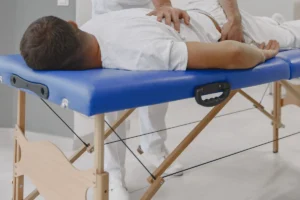
- A pelvic floor assessment. This may include an internal assessment of the pelvic floor muscles. It is one possible part of the exam, not a requirement. At OneRehab, our therapists wait until you are ready, and you can ask questions at any point.
- A plan. Treatment often combines education about how the pelvic floor works, exercises to stretch or strengthen the right muscles, and guidance on using them correctly.
Some programs also use biofeedback, a tool that shows how your muscles tighten and relax so you can learn to control them.
When to see a professional
It is worth seeing a pelvic floor therapist or your doctor if:
- You leak urine, stool or gas
- You often feel a sudden or frequent need to go
- You strain or have ongoing constipation
- You have pelvic pain, or pain during sex, that does not go away
- You feel pressure, heaviness or a bulge in the pelvic area
These symptoms usually stay the same or get worse if they are not treated, so it is worth getting them checked.
See a doctor promptly if you have pelvic pain along with any of these:
- Trouble passing urine or stool
- Blood in your urine or stool
- Unusual discharge or bleeding from the vagina
- Pain when urinating or a need to urinate more than usual
- A high temperature, or feeling hot, cold or shivery
- You are pregnant or may be pregnant
Get emergency care if pelvic pain is severe or getting worse, or if you feel faint or dizzy or have heavy bleeding.
How OneRehab can help
OneRehab offers pelvic floor rehabilitation for men and women, including care for bladder dysfunction, bowel dysfunction, prolapse, pregnancy and the postpartum period. Our therapists take a detailed history, evaluate your posture, strength and flexibility, and build an individual plan that can include education, manual therapy and exercise. You can visit either clinic in Dallas or Richardson. In Texas, you can see a physical therapist without a referral. To start, book a free screen or schedule an appointment.
Common questions
What are the first signs of pelvic floor dysfunction?
Early signs often include leaking urine when you cough or laugh, a frequent or urgent need to go, constipation or straining, or pelvic pain. Symptoms vary, so talk to a doctor or pelvic floor therapist about what you notice.
Can men have pelvic floor dysfunction?
Yes. Men can have urine leakage, pelvic pain, bowel symptoms and erectile dysfunction related to the pelvic floor.
Do Kegel exercises fix pelvic floor dysfunction?
Not always. Kegels can help some people with bladder leaks, but if your muscles are overly tense, a therapist may focus on relaxation and coordination instead.
Is an internal exam required for pelvic floor therapy?
No. An internal assessment may be part of an evaluation, but it is not required. Your therapist will explain each step and go at your pace.
Will pelvic floor dysfunction go away on its own?
Symptoms usually stay the same or get worse without treatment. The good news is that pelvic floor dysfunction is treatable.
Sources
- Pelvic Floor Dysfunction, Cleveland Clinic, updated January 12, 2024: https://my.clevelandclinic.org/health/diseases/14459-pelvic-floor-dysfunction
- What are the symptoms of pelvic floor disorders?, NICHD (National Institutes of Health), reviewed December 24, 2025: https://www.nichd.nih.gov/health/topics/pelvicfloor/conditioninfo/symptoms
- What are the treatments for pelvic floor disorders?, NICHD (National Institutes of Health), reviewed December 11, 2025: https://www.nichd.nih.gov/health/topics/pelvicfloor/conditioninfo/treatment
- Men: Not only women need pelvic floor physical therapy, Vanderbilt Health, January 2, 2019: https://my.vanderbilthealth.com/men-pelvic-floor-physical-therapy/
- Physical Therapy Guide to Pelvic Pain, ChoosePT (American Physical Therapy Association), revised May 25, 2021: https://www.choosept.com/guide/physical-therapy-guide-pelvic-pain
- Pelvic pain, NHS, reviewed November 24, 2025: https://www.nhs.uk/symptoms/pelvic-pain/