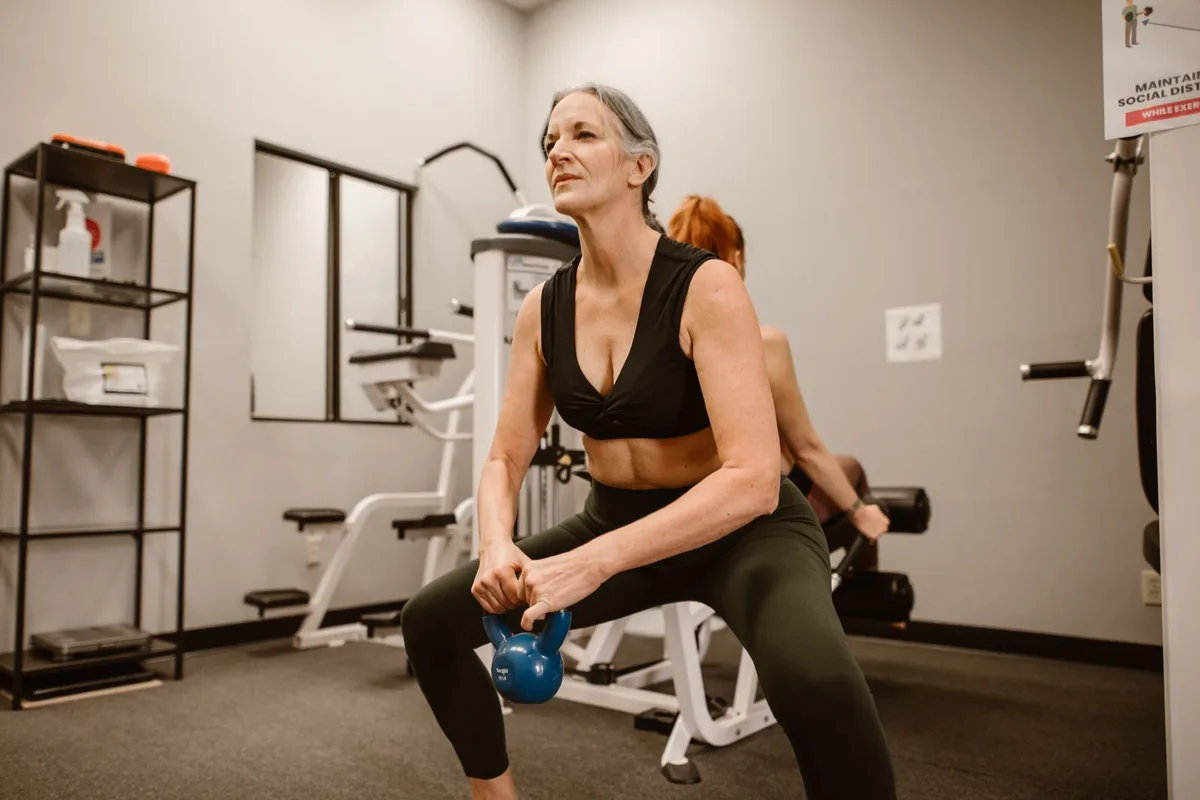
The best osteoporosis exercises combine three things: weight-bearing activity such as brisk walking, muscle-strengthening work such as sit-to-stands or resistance bands, and balance training such as tai chi. Together they help keep bones strong and lower your risk of falls. Safety comes first. If you have osteoporosis or low bone density, talk with a health care provider before you start, and do every exercise in a pain-free range. A physical therapist can build a plan that fits your bones and your goals. At OneRehab, our physical therapy team helps people exercise with confidence.
Osteoporosis is often called a “silent” disease because it usually causes no symptoms until a bone breaks. Anyone can develop it, women and men alike. The good news is that exercise helps at any age.
Why exercise matters for osteoporosis
Exercise offers many benefits for bone at every age. It helps prevent bone loss in adults and builds stronger muscles that support balance. Better balance means a lower chance of a fall, and fewer falls means fewer broken bones.
For people with osteoporosis, preventing falls is a key concern. That is why a good program does not only load the bones. It also trains balance, strength and safe movement.
How much exercise do you need?
General guidelines for adults 65 and older from the CDC are:
| Type | Weekly goal |
|---|---|
| Aerobic activity | At least 150 minutes at moderate intensity, such as 30 minutes a day, 5 days a week |
| Muscle strengthening | At least 2 days a week |
| Balance | Activities to improve balance |
ChoosePT, from the American Physical Therapy Association, suggests about 30 minutes of weight-bearing activity on most days plus strength training two or three days a week. If those goals feel out of reach, be as active as your abilities and conditions allow. Some activity is better than none. Start slowly and build up over time.
Weight-bearing exercises for osteoporosis
Weight-bearing exercises are activities you do on your feet, moving against gravity. They put healthy force on your bones.
Low-impact options are a safer place to start for many people with osteoporosis:
- Brisk walking, indoors or outdoors
- Elliptical machines
- Stair-stepping machines
- Low-impact aerobics classes
High-impact options, such as jogging, dancing, climbing stairs, skipping rope and racquet sports, also build bone. But if you have had a fracture or are at risk of one, check with your provider before you try them.
Osteoporosis exercises for strength
Muscle-strengthening (resistance) exercises put stress on bones in a way that can help make them stronger. They also build the muscles that keep you steady. Options include:
- Sit-to-stand. Sit near the front of a sturdy chair with your feet flat. Lean slightly forward from your hips, keeping your back long, and stand up. Sit back down slowly. Use your hands on the armrests if you need to.
- Supported squat. Hold the back of a sturdy chair or a counter. Bend your knees and hips a small amount as if starting to sit, then stand tall.
- Resistance bands. Bands are a simple way to work the arms, shoulders and legs at home.
- Weight machines and free weights. These can be useful once a therapist or trainer has shown you safe form.
- Push-ups. A body-weight option for the arms and chest. Starting against a wall or counter keeps them gentle.
Exercises should be done in a pain-free range of motion. Your muscles may feel sore for a day or two when you start. If soreness lasts longer, ease up.
Balance exercises for osteoporosis
Balance training is especially important for older adults because it can help prevent falls. Examples include:
- Tai chi, a slow, flowing practice
- Walking backwards, with a counter or rail nearby for support
- Step-ups onto a low, stable step, holding a rail
Practice near something sturdy you can hold. Our older post on physical therapy for balance improvement explains how therapists train balance.
Exercises and movements to be careful with
Some movements put extra stress on the bones of the spine. The Bone Health & Osteoporosis Foundation advises that if you have already broken bones in your spine because of osteoporosis, you should be very careful with activities that require:
- Reaching down
- Bending forward
- Rapid twisting motions
- Heavy lifting
- Anything that increases your chance of a fall
The foundation also lists everyday positions that can put the spine at risk, such as:
- A slumped, head-forward posture
- Bending forward from the waist or upper back
- Twisting the spine to a point of strain
- Twisting and bending forward together when coughing, sneezing, vacuuming or lifting
Learn the hip hinge
Instead of rounding your back to reach low, the foundation recommends the “hip hinge.” You bend at your hips while keeping your spine long, so your hips and legs do the work. A physical therapist can teach you this and other safe ways to lift, reach and do chores.
How a physical therapist helps with osteoporosis
If you are at high risk of breaking a bone, the Bone Health & Osteoporosis Foundation says you should work with a physical therapist to develop a safe exercise program. A physical therapist can:
- Create a safe exercise and strength training plan
- Address posture or movement problems
- Improve your balance
- Improve your strength and the way you move to help prevent falls
- Look at your home or work space for safety
When to see a professional
Talk with your health care provider before you start a new exercise program if you have osteoporosis or low bone density, or if you have not exercised in a while. This matters even more if you also have health problems such as heart disease, diabetes or high blood pressure.
See a doctor promptly if you notice possible warning signs of osteoporosis, such as:
- A bone that breaks after a minor fall or bump
- Lower back pain
- Losing an inch or more of your height
- Changes in your posture, like stooping or bending forward more
How OneRehab can help
OneRehab’s physical therapy team works with older adults and people with conditions such as osteoporosis to improve strength, balance and safe movement and to lower fall risk. We start with an evaluation and build a plan around your needs. You can visit either clinic in Dallas or Richardson. In Texas, you can see a physical therapist without a referral. To start, book a free screen or schedule an appointment.
Common questions
What is the best exercise for osteoporosis?
There is no single best exercise. A mix of weight-bearing activity, muscle strengthening and balance training works together to support bones and lower fall risk.
Is walking good for osteoporosis?
Yes. Walking is a weight-bearing exercise, and brisk walking is a common low-impact option.
What exercises should you avoid with osteoporosis?
If you have had spine fractures from osteoporosis, be very careful with reaching down, bending forward, rapid twisting, heavy lifting and anything that raises your risk of a fall. Ask your provider or therapist what is safe for you.
How often should I exercise with osteoporosis?
For adults 65 and older, the CDC recommends at least 150 minutes of moderate activity a week, muscle strengthening at least 2 days a week and balance activities. If that is too much right now, start with what your body and your provider allow.
Can exercise reverse osteoporosis?
Exercise helps prevent bone loss and lowers fall risk, but it is one part of care. Talk with your doctor about the full plan for your bones, including any medicines.
Sources
- Exercise for Your Bone Health, NIAMS (National Institutes of Health), reviewed May 2023: https://www.niams.nih.gov/health-topics/exercise-your-bone-health
- Exercise/Safe Movement, Bone Health & Osteoporosis Foundation, reviewed October 24, 2023: https://www.bonehealthandosteoporosis.org/patients/treatment/exercisesafe-movement/
- Starting a New Exercise Program, Bone Health & Osteoporosis Foundation, n.d.: https://www.bonehealthandosteoporosis.org/patients/treatment/exercisesafe-movement/starting-a-new-exercise-program/
- Newly Diagnosed with Bone Loss?, Bone Health & Osteoporosis Foundation, June 12, 2017: https://www.bonehealthandosteoporosis.org/blog/newly-diagnosed-bone-loss/
- Physical Therapy Guide to Osteoporosis, ChoosePT (American Physical Therapy Association), revised February 26, 2026: https://www.choosept.com/guide/physical-therapy-guide-osteoporosis
- Physical Activity Guidelines for Older Adults, CDC, reviewed December 4, 2025: https://www.cdc.gov/physical-activity-basics/guidelines/older-adults.html
- Osteoporosis, Cleveland Clinic, updated November 26, 2025: https://my.clevelandclinic.org/health/diseases/4443-osteoporosis