
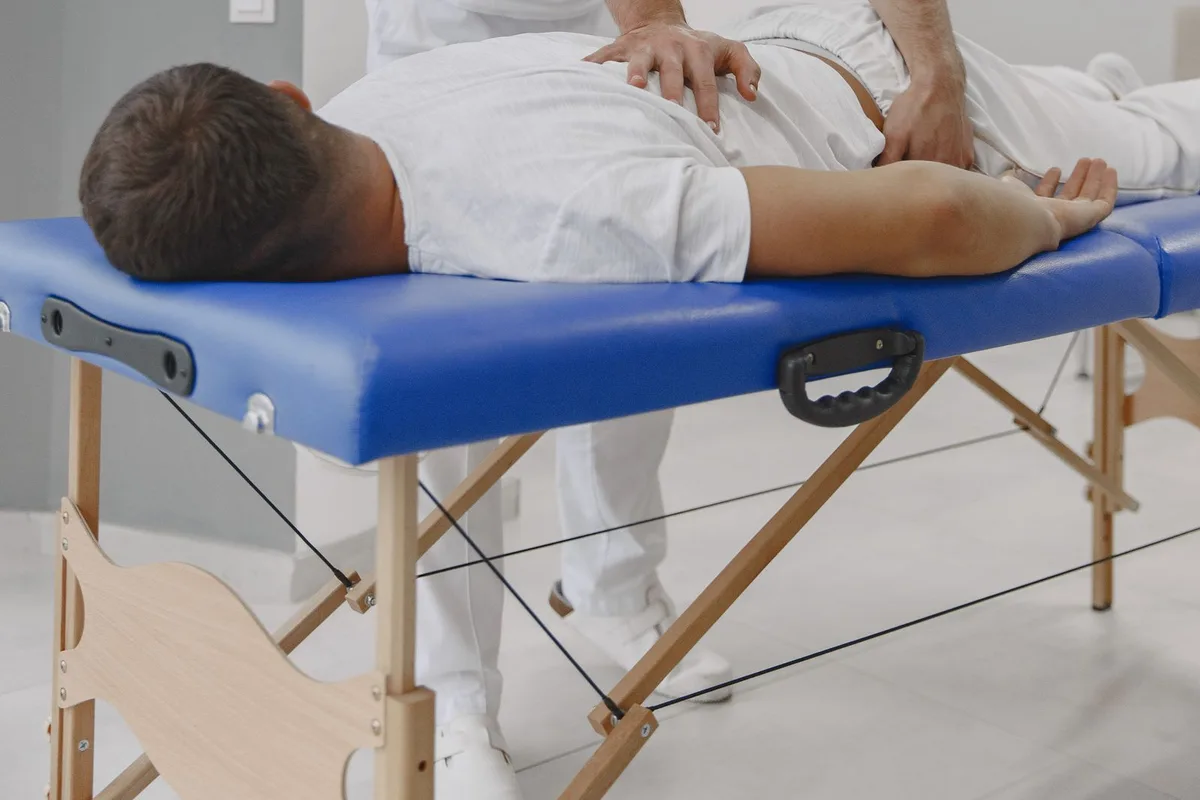
Physical therapy vs chiropractor comes down to focus and tools. Chiropractors center their care on adjustments, also called spinal manipulation, often combined with other therapies. Physical therapists focus on movement and function, using prescribed exercise, hands-on care and education to help you move, get stronger and manage pain. Both can help with common problems like back and neck pain. If your goal is to move better and build strength, physical therapy at OneRehab is one place to start.
There is no single right answer for everyone. The better fit depends on your problem, your goals and the kind of care you prefer. Some people use both.
This guide compares the two fairly, side by side, so you can make an informed choice.
Physical therapy vs chiropractor: what is the difference?
Both are licensed health care providers who treat problems with muscles, bones and joints. The main differences are in training, typical tools and the range of problems each one usually works on.
| Physical therapist | Chiropractor | |
|---|---|---|
| Degree | Doctor of Physical Therapy (DPT) | Doctor of Chiropractic (DC) |
| Main focus | Movement and function | Alignment of the spine and other joints |
| Core tools | Prescribed exercise, hands-on care, education | Adjustments (manipulation), often with other therapies |
The sections below explain each row in more detail.
What does a chiropractor do?
MedlinePlus describes chiropractic as a health care profession in which chiropractors perform adjustments to the spine or other parts of the body. The goal is to correct alignment problems, ease pain and support the body’s natural ability to heal.
At a first visit, Cleveland Clinic explains, a chiropractor discusses your medical history and does a physical exam. During an adjustment, the chiropractor applies controlled force to a joint. MedlinePlus notes that most chiropractors mix adjustments with other therapies, such as physical rehabilitation and exercise advice, mechanical or electrical therapies, and hot or cold treatments. Cleveland Clinic lists conditions people often see chiropractors for, including lower back pain, neck pain, frequent headaches, sciatica and joint pain.
What does a physical therapist do?
The American Physical Therapy Association (APTA) describes physical therapists as movement experts and licensed health care providers. They work with people of all ages and abilities. Their aims include improving and restoring movement and function, managing pain, and recovering from and preventing injury.
Physical therapists use prescribed movement, hands-on care and patient education. They design treatment plans specific to each person’s needs and goals. Because their focus is movement, PTs work with a wide range of problems: joint and muscle pain, recovery after surgery, balance problems, sports injuries, and conditions like stroke. You might see a PT for a sore back, for knee osteoarthritis or to manage chronic pain.
How is their training different?
Both professions require a doctoral degree and a license.
- Chiropractors: MedlinePlus says doctors of chiropractic must complete 4 to 5 years at an accredited chiropractic college, including at least 4,200 hours of classroom, laboratory and clinical experience. Licensure is handled by each state under its own laws.
- Physical therapists: APTA says that since 2016, all physical therapists in the United States have graduated from a three-year, post-baccalaureate Doctor of Physical Therapy program. About 23% of the DPT curriculum is clinical education. Graduates must pass a national exam to be licensed in their state.
Do physical therapists do spinal manipulation too?
Some do. The National Center for Complementary and Integrative Health (NCCIH), part of NIH, defines spinal manipulation as a technique in which practitioners use their hands or a device to apply a controlled thrust to a joint of the spine. It notes that most spinal manipulations are done by chiropractors, but other licensed professionals, including osteopathic physicians and physical therapists, also use the technique.
The difference is usually emphasis. For many chiropractors, manipulation is a central tool. For most physical therapists, hands-on techniques support an exercise-based plan.
Which is better for back pain or neck pain?
Research supports more than one path.
- Spinal manipulation: NCCIH reports that for low back pain, spinal manipulation may lead to small improvements in pain and function. For chronic low back pain, a 2019 review it describes found that pain relief from manipulation or mobilization was similar to other recommended therapies. NCCIH also says spinal manipulation can be helpful for acute neck pain.
- Exercise: The CDC’s 2022 pain guideline advises clinicians to recommend exercise or exercise therapy, which it calls “a prominent modality in physical therapy,” for back pain, fibromyalgia and hip or knee osteoarthritis. The same guideline lists spinal manipulation among the nondrug options for low back pain.
So both approaches have a place. A sensible way to choose is to match the care to your goal.
How do you choose between a physical therapist and a chiropractor?
These questions can help you decide:
- What is your goal? If you want to build strength, improve balance, recover after surgery or get back to a sport, a physical therapist’s exercise-based plan fits that goal.
- How long have you had the problem? Long-lasting pain often improves with a mix of activity, education and hands-on care. Ask any provider how they plan to help you stay better on your own.
- What kind of care do you prefer? Some people like the feel of an adjustment. Others prefer active exercise they can continue at home.
- Do you need a diagnosis first? If you are unsure what is causing your symptoms, see your doctor.
You can also use both. If you do, tell each provider about the other so your care fits together.
When to see a professional
Many aches and pains improve with time and gentle activity. It is worth getting care when pain keeps you from your usual activities, keeps coming back, or is not improving.
If you are not sure what is causing your symptoms, or anything about them worries you, see your doctor first. Your doctor can find the cause and decide whether you need tests. A physical therapist can then evaluate how the problem affects your movement and build a plan to help.
How OneRehab can help
OneRehab’s physical therapists evaluate how back, neck and joint pain affects your movement, then build a plan around exercise, hands-on care and education. Learn more about physical therapy at OneRehab, offered at both clinics in Dallas and Richardson. In Texas, you can see a physical therapist without a referral. To get started, book a free screen or schedule an appointment.
Common questions
Do I need a referral to see a physical therapist or a chiropractor?
In Texas, you can see a physical therapist without a referral. Insurance plans have their own rules, so check your plan before your first visit.
Can a physical therapist crack my back?
Some physical therapists use spinal manipulation. NCCIH notes that physical therapists, osteopathic physicians and chiropractors all use the technique, though most manipulations are done by chiropractors.
Is a chiropractor a doctor?
Chiropractors earn a Doctor of Chiropractic degree after 4 to 5 years at an accredited chiropractic college, according to MedlinePlus. Physical therapists earn a Doctor of Physical Therapy degree.
Can I see a chiropractor and a physical therapist at the same time?
Many people do. Let each provider know about your other care so they can plan around it.
Do chiropractors give exercises?
Many do. MedlinePlus notes that most chiropractors combine adjustments with other therapies, which may include physical rehabilitation and exercise advice.
Sources
- Chiropractic, MedlinePlus (National Library of Medicine), updated 2023-03-21: https://medlineplus.gov/chiropractic.html
- Chiropractor profession, MedlinePlus Medical Encyclopedia (National Library of Medicine), reviewed 2025-10-22: https://medlineplus.gov/ency/article/002001.htm
- Chiropractic Adjustment, Cleveland Clinic, updated 2022-04-25: https://my.clevelandclinic.org/health/treatments/21033-chiropractic-adjustment
- Spinal Manipulation: What You Need To Know, National Center for Complementary and Integrative Health (NIH), updated September 2022: https://www.nccih.nih.gov/health/spinal-manipulation-what-you-need-to-know
- About Physical Therapists and Physical Therapist Assistants, ChoosePT (American Physical Therapy Association), n.d.: https://www.choosept.com/why-physical-therapy/about-physical-therapists-and-physical-therapist-assistants
- Becoming a Physical Therapist, American Physical Therapy Association, n.d.: https://www.apta.org/your-career/careers-in-physical-therapy/becoming-a-pt
- CDC Clinical Practice Guideline for Prescribing Opioids for Pain: United States, 2022, CDC MMWR Recommendations and Reports, published 2022-11-04: https://www.cdc.gov/mmwr/volumes/71/rr/rr7103a1.htm