The most common pickleball injuries are ankle sprains, muscle strains in the hamstrings and calves, overuse problems like tennis elbow and rotator cuff tendonitis, and injuries from falls, such as wrist fractures. Many happen when players dive or lunge for a shot, skip a warm-up or play too much too soon. A good warm-up, court shoes, gradual build-up and balance and strength work can lower your risk. If something does start to hurt, OneRehab’s sports medicine physical therapists and our elbow therapy team can help you get back on the court.
Pickleball is a great way to stay active. The goal here is not to scare you off, but to help you keep playing comfortably.
What are the most common pickleball injuries?
Trusted sports medicine sources name a similar list:
- Ankle sprains: One HSS sports medicine physician calls ankle sprains the most common pickleball injury she sees.
- Muscle strains: Pulled hamstrings, often from sudden stops, and calf strains from lunging forward for a low shot.
- Knee problems: Twisting and pivoting can aggravate knee arthritis. Meniscus and ACL tears also occur.
- Elbow, wrist and shoulder overuse: Tendonitis in the wrist, elbow or shoulder, including tennis elbow and rotator cuff tendonitis.
- Achilles and heel problems: UT Southwestern lists Achilles tendon problems and plantar fasciitis among pickleball injuries.
- Fall-related injuries: Injuries to the hand, wrist, shoulder or head, including wrist fractures.
What causes most pickleball injuries?
Falls stand out. UT Southwestern describes a 2023 study of more than 200 players in which 41.2% of reported injuries were caused by falling or diving for a shot. Active game play caused about 30%, and overuse about 5.4%.
Other common causes include:
- Skipping a warm-up or cool-down
- Playing too often without enough rest between sessions
- Poor technique
- Equipment that doesn’t suit you, such as the wrong shoes or a paddle that doesn’t fit your size and strength
- Jumping in at full intensity after a long break from exercise
Age plays a part too. UT Southwestern notes that more players over 65 need surgery for wrist fractures than their peers in the general population. That’s one more reason to stay on your feet and avoid diving.
Pickleball injuries by body area
Ankle, foot and Achilles
Quick side-to-side moves and sudden stops put stress on the ankle and lower leg. Ankle sprains happen when the foot rolls. For more on healing, see our guide to ankle sprain recovery time. Pain at the back of the heel can be a sign of an irritated Achilles tendon, covered in our post on Achilles tendonitis.
Knee and hamstring
Pivoting can flare up knee arthritis. Sudden stops, especially without a warm-up, can pull a hamstring. Our knee physical therapy page explains how therapy helps common knee injuries.
Elbow and wrist
Repeated hitting can irritate the tendons around the elbow and wrist. Cedars-Sinai describes tennis elbow in pickleball players as tendinitis with pain on the outside of the elbow. Our post on tennis elbow vs golfer’s elbow explains the difference between the two.
Shoulder
HSS notes that biceps and rotator cuff tendonitis are common, particularly in people who haven’t been very active. A fall onto the shoulder can also injure it. Our shoulder injury therapy page covers rotator cuff problems in more detail.
How to prevent pickleball injuries
1. Warm up and cool down
Start with light cardio, then active stretches. UT Southwestern suggests hitting soft “dink” shots near the net as part of a warm-up to get your wrists, feet and focus ready. Finish with light cardio and stretching.
2. Build up gradually
If you are new to the game or haven’t been active, ease in. HSS suggests increasing playing time gradually and taking a day or two of rest between sessions, especially at the start.
3. Wear court shoes
UT Southwestern recommends athletic court shoes that give stability for side-to-side movement and cushioning for hard courts.
4. Don’t dive for shots
Avoid diving for hard-to-reach shots. Letting one point go is easier than recovering from a fall.
5. Work on balance and strength
Pickleball asks more of your balance than walking does. HSS suggests simple exercises like these. Stop if any of them cause sharp pain, and ask a therapist to tailor them to you.
- Heel raises: Hold a counter for balance, then slowly rise onto your toes and lower down several times.
- Side-lying leg lifts: Lie on your side with hips stacked, lift the top leg with the knee straight, then lower it slowly. Switch sides.
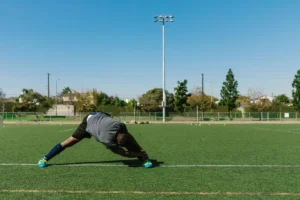
- Hamstring stretch: Put one leg out with the heel on the ground and gently hinge forward at the waist. Hold about 30 seconds on each side.
- Single-leg balance: Stand on one foot for up to a minute, then switch. Hold onto something sturdy if you need to.
HSS also suggests exercises that stabilize the shoulders and strengthen the rotator cuff. UT Southwestern adds side shuffles and cross-steps, and notes yoga or tai chi can help with balance. Our post on improving balance with physical therapy has more ideas.
6. Mix up your routine and manage existing conditions
Cross-training, such as swimming or stationary cycling, builds fitness and uses different muscles. If you have arthritis or an old injury, get it under control before you play hard. Lessons from a qualified instructor can also help you learn good technique.
What to do if you get hurt playing pickleball
For a mild sprain or strain, HSS mentions ice, compression with an elastic bandage and elevation. Ease off play until it settles. If pain lasts or keeps coming back, it’s worth having it looked at instead of playing through it.
When to see a professional
HSS suggests seeing a healthcare provider if:
- Pain lasts more than a week
- You can’t put weight on your leg
After a fall, get checked promptly. A doctor can decide whether you need an X-ray. See a doctor promptly if you have blurry vision, confusion or extreme sleepiness after hitting your head, since these can be signs of a concussion. OneRehab’s concussion page explains how therapy helps after a head injury.
A doctor diagnoses injuries and orders imaging. A physical therapist evaluates how you move, treats the injury and guides your return to play. In Texas, you can see a physical therapist without a referral.
How OneRehab can help
OneRehab’s physical therapists treat the injuries pickleball players see most, including ankle sprains, knee and hamstring problems, rotator cuff tendonitis and elbow pain, through our sports medicine and elbow therapy services. We can also build a strength and balance plan to help you return to play. We see patients at both clinics, in Dallas and Richardson. To find out whether therapy is right for you, book a free screen with a licensed physical therapist or certified athletic trainer, or schedule an appointment.
Common questions
What is the most common pickleball injury?
Ankle sprains are among the most common. Falls are another big source of injuries; one study found 41.2% of reported injuries came from falling or diving for a shot.
Is pickleball elbow the same as tennis elbow?
It can be. Tennis elbow, tendinitis with pain on the outside of the elbow, is one of the overuse injuries seen in pickleball players. A physical therapist can evaluate where your pain comes from.
What shoes are best for pickleball?
Athletic court shoes that give side-to-side stability and cushioning for hard courts.
How can older players stay safe?
Ease in, warm up, wear court shoes, work on balance and avoid diving for shots. Get any existing arthritis or old injuries under control before playing hard.
Should I keep playing through pain?
Short-lived soreness may settle with rest, but see a provider if pain lasts more than a week or you can’t put weight on your leg.
Sources
- Stretches and Exercises to Prevent Pickleball Injuries, Hospital for Special Surgery, published 2022-11-15: https://www.hss.edu/health-library/move-better/stretches-exercises-prevent-pickleball-injuries
- Pickleball injuries increasing along with sport’s popularity, UT Southwestern Medical Center, published 2023-12-26: https://utswmed.org/medblog/pickleball-injuries/
- Pickleball Injuries: Causes and Prevention, Cedars-Sinai, published 2025-01-01: https://www.cedars-sinai.org/stories-and-insights/healthy-living/pickleball-injuries-causes-and-prevention
- Managing Shoulder Injuries in Pickleball, Hospital for Special Surgery, published 2023-05-11: https://www.hss.edu/article_shoulder-injuries-pickleball.asp