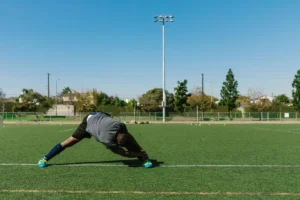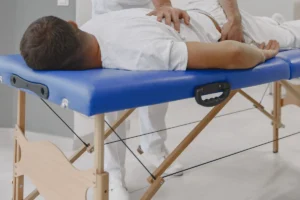
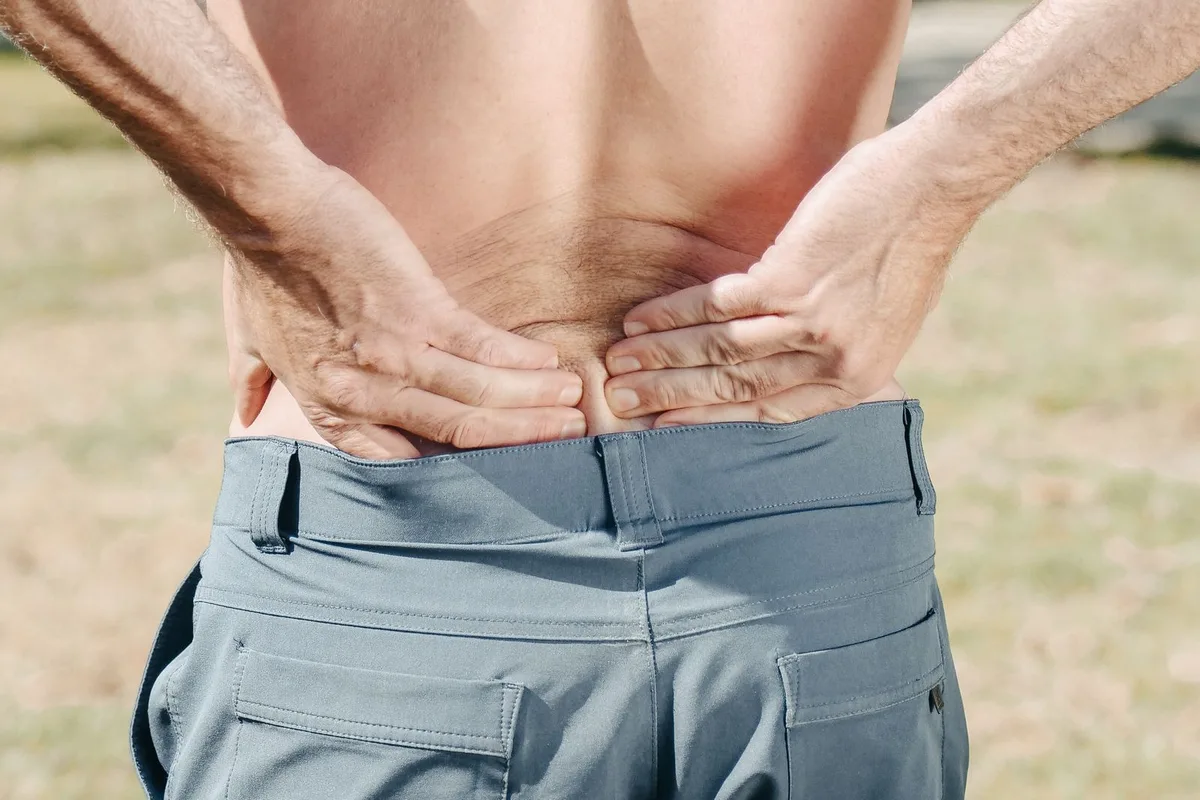
Sacroiliac joint pain is pain from one of the two joints where the base of your spine meets your pelvis. It usually feels like a dull, sharp or stabbing ache on one side of the low back or buttock, and it can spread into the hip, groin or thigh. It often flares when you stand up from sitting, roll over in bed, climb stairs or twist. Physical therapy is a common first treatment, using exercise, hands-on care and better movement habits to calm the joint and support it. Our neck and spine physical therapists evaluate and treat this kind of pain.
The SI joint is a common but often overlooked source of low back pain. Below we cover how it feels, what causes it, how it’s sorted out from other back problems and what treatment looks like.
What is the sacroiliac joint?
You have two sacroiliac (SI) joints, one on each side of your pelvis. Each sits where the sacrum, the triangle-shaped bone at the base of the spine, meets the ilium, the large upper part of the pelvis. These joints don’t move much, but they’re strong and are stressed every time you walk, stand, climb or lift.
“SI joint dysfunction” is a broad term for pain when these joints become too stiff or too loose. “Sacroiliitis” means inflammation of the joint. The American Physical Therapy Association’s ChoosePT guide notes that SI joint dysfunction is found in 10% to 25% of people who complain of low back pain.
Sacroiliac joint pain symptoms
SI joint pain is usually felt on one side. Common signs include:
- Sharp, stabbing or dull pain on one side of the low back or pelvis
- Pain that spreads into the buttock, hip, groin or thigh, and sometimes down toward the knee
- Pain when standing up from a chair, turning in bed, bending or twisting
- Pain after sitting or standing in one position for a long time
- Pain with stairs, running or taking long strides
Because the pain can travel into the leg, it is sometimes mistaken for sciatica. Our article on sciatica exercises explains how nerve-related leg pain usually behaves.
What causes sacroiliac joint pain?
There is often more than one cause. ChoosePT and Cleveland Clinic list several:
- A joint that moves too much or too little. Stiffness, looseness or muscle imbalances around the pelvis can strain the joint.
- Pregnancy. Hormonal changes loosen the ligaments, and ChoosePT notes SI joint dysfunction may occur in women of childbearing years for this reason. Cleveland Clinic adds that pregnancy-related sacroiliitis usually resolves after pregnancy.
- A fall or injury. Landing hard on one side of the body can affect the joint.
- Overtraining. Too much repetitive stress, such as in athletes, can irritate it.
- Arthritis. Cleveland Clinic says arthritis is the main cause of sacroiliitis, including inflammatory types such as ankylosing spondylitis and psoriatic arthritis. Rarely, an infection is the cause.
How is SI joint pain diagnosed?
SI joint pain can be tricky to pin down because it overlaps with other back and hip problems. A doctor diagnoses sacroiliitis with a physical exam and may order imaging, such as X-rays, CT or MRI, or blood tests to look for inflammation or infection, according to Cleveland Clinic.
A physical therapist’s evaluation looks at how you move. ChoosePT says a therapist may watch how you walk, step onto a stair, squat or balance on one leg, and will gently feel the area and test your strength and flexibility. This helps show which movements stress the joint and which muscles need work. Pain around the outside of the hip can also come from other sources, like the bursa covered in our hip bursitis article.
How physical therapy treats sacroiliac joint pain
Cleveland Clinic calls physical therapy the most common treatment for sacroiliitis. A physical therapist gives you stretches and exercises to strengthen the muscles around your SI joints. ChoosePT describes a plan that may include:
- Education. Finding and changing what aggravates the pain, from exercise habits to footwear and daily routines.
- Pain relief. Ice and other methods to help settle a flare.
- A sacroiliac belt. For some people, a belt adds stability during daily tasks.
- Body mechanics. Better ways to sit, lift and carry.
- Manual therapy. Hands-on techniques, such as massage.
- Stretching and strengthening. With a focus on weak muscles, especially in the abdomen and buttocks. ChoosePT notes that strengthening exercises improve the stability of the sacroiliac and spinal joints.
- Functional training. A gradual return to sport and daily activities.
Medication and injections are sometimes part of care for sacroiliitis. Those decisions belong to your doctor.
Sacroiliac joint pain exercises a therapist may start with
These gentle moves come from the American Academy of Orthopaedic Surgeons (AAOS) hip conditioning program. They are often used to build hip and buttock strength, but they are not right for everyone. Ask a physical therapist to choose and adjust them for you. AAOS notes that you should not feel pain during an exercise, so stop if pain sharply increases.
- Knee to chest. Lie on your back, gently pull one knee toward your chest and hold for about 30 seconds. Switch sides.
- Clamshell. Lie on your side with your knees bent and feet together. Lift your top knee while keeping your feet touching, then lower slowly.
- Side-lying leg lift (hip abduction). Lie on your side and slowly raise your top leg, hold for a few seconds, then lower.
- Prone hip extension. Lie on your stomach and slowly lift one straight leg a little way off the floor, then lower it.
Your therapist may add core exercises and balance work as you improve. If your pain is more centered in the low back, our guide to lower back pain exercises covers more options.
Tips for living with SI joint pain
- Keep moving. Gentle activity usually helps more than bed rest. The NHS notes that most back pain improves within a few weeks and advises staying active.
- Change positions often. Since long periods of sitting or standing can aggravate the joint, break them up.
- Get up smart. Scoot to the edge of the chair and stand with your weight even on both feet.
- Build back gradually. Increase running, stairs or lifting in small steps.
- Keep up your home program. ChoosePT says continuing your exercises after treatment helps maintain strength and flexibility, which supports the joint.
When to see a professional
See a physical therapist or doctor if your pain:
- Isn’t improving after a few weeks of home care
- Keeps you from sleeping or doing everyday activities
- Spreads into your buttock or leg
- Keeps coming back
See a doctor promptly if back pain comes with fever, weight loss you can’t explain or a general feeling of being unwell. Get emergency care right away for numbness around your genitals or bottom, new trouble controlling your bladder or bowels, or weakness or numbness in both legs. These signs are uncommon, but they need urgent attention. A doctor diagnoses the cause of your pain, and a physical therapist evaluates how you move and treats the problem with exercise and hands-on care.
How OneRehab can help
OneRehab’s physical therapists evaluate and treat sacroiliac joint pain as part of our spine and hip care. We look at how your low back, pelvis and hips move together, then build an exercise plan to strengthen and stabilize the area. Learn more about neck and spine therapy and hip injury therapy. We see patients at both our Dallas and Richardson clinics. To get started, book a free screen or schedule an appointment. In Texas, you can see a physical therapist without a referral.
Common questions
Where do you feel sacroiliac joint pain?
Usually on one side of the low back or pelvis. It can spread into the buttock, hip, groin or thigh, and sometimes toward the knee.
Is SI joint pain the same as sciatica?
No. They can feel similar because both can cause pain in the buttock and leg. Sciatica comes from an irritated nerve, while SI joint pain comes from the joint itself. A clinician can help tell them apart.
Does sitting make SI joint pain worse?
It can. Cleveland Clinic notes that pain may get worse after sitting or standing in one position for a long time. Standing up from a chair is a common trigger too.
Does an SI belt help?
For some people, yes. ChoosePT lists a sacroiliac belt as one option to add stability during daily activities. A therapist can tell you whether it suits you and how to wear it.
Can SI joint pain go away on its own?
Many flares settle with activity changes and exercise, and pregnancy-related sacroiliitis usually resolves after pregnancy, according to Cleveland Clinic. Pain that lingers or keeps returning is worth having evaluated.
Sources
- Physical Therapy Guide to Sacroiliac Joint Dysfunction, ChoosePT (American Physical Therapy Association), revised Oct 16, 2019: https://www.choosept.com/guide/physical-therapy-guide-sacroiliac-joint-dysfunction
- Sacroiliitis, Cleveland Clinic, last updated 08/23/2023: https://my.clevelandclinic.org/health/diseases/17736-sacroiliitis
- Hip Conditioning Program, American Academy of Orthopaedic Surgeons (OrthoInfo), n.d.: https://www.orthoinfo.org/en/recovery/hip-conditioning-program/
- Solving the back pain puzzle, one spine area at a time, UT Southwestern Medical Center, July 20, 2022: https://utswmed.org/medblog/back-pain-upper-lower/
- Back pain, NHS, last reviewed 05 March 2026: https://www.nhs.uk/conditions/back-pain/