IT band syndrome (iliotibial band syndrome, or ITBS) is an overuse injury that causes pain on the outside of the knee. It is common in runners and cyclists. The pain often starts partway into a run or ride and is usually worst when the knee is slightly bent. Most cases improve with a break from the aggravating activity, ice, and stretching and strengthening exercises, and a knee physical therapy program can guide your recovery.
The American Physical Therapy Association’s ChoosePT guide calls ITBS one of the most common overuse injuries of the leg, particularly in endurance sports. The encouraging part is that most people recover without surgery.
This guide explains what the IT band is, why it gets irritated, the signs to look for and how a physical therapist can help you return to the activities you enjoy.
What is the IT band?
The iliotibial (IT) band is a thick band of connective tissue that runs along the outside of your thigh, from the hip to just below the knee. It helps stabilize the hip and knee when you walk and run.
What is IT band syndrome?
IT band syndrome happens when the band, or the tissue under it near the outside of the knee, gets irritated from repeated bending and straightening of the knee. MedlinePlus explains that the band can become swollen and irritated from rubbing against bone on the outside of the hip or knee.
Experts still discuss exactly what causes the pain. Hospital for Special Surgery notes that it is commonly thought to come from friction, but other studies suggest it may come from compression of a fat pad under the band. Either way, care usually focuses on calming the area, then building strength and control.
IT band syndrome symptoms
Common signs include:
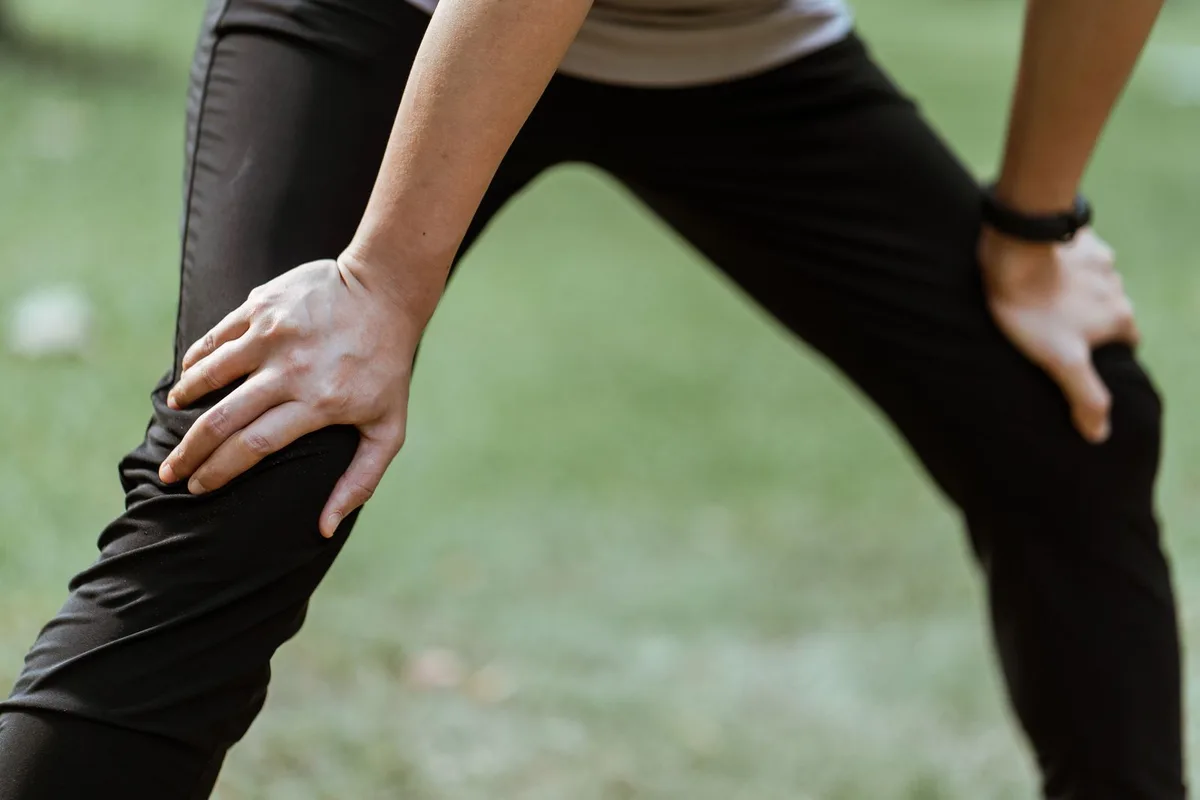
- Stinging, aching or burning pain on the outside of the knee
- Pain that starts mildly during exercise and may fade as you warm up, then lasts longer as the problem continues
- Pain that is worst when the knee is slightly bent
- A snapping or popping feeling over the outside of the knee
- More pain when running downhill or after sitting a long time with the knee bent
- Sometimes tightness or pain toward the outside of the hip
Pain typically gets worse with activity and better with rest.
What causes IT band syndrome?
ITBS is an overuse problem. Common contributors include:
- Training errors. A sudden increase in distance or intensity.
- Repeated knee bending. Running and cycling bend and straighten the knee over and over.
- Hip and core weakness. ChoosePT notes that hip and core weakness can contribute to ITBS.
- How you move. Poor alignment or muscle control of the lower body.
- Equipment and setup. Shoes with poor support, or bike fit for cyclists.
- Body factors. Bowed legs or a difference in leg length can play a part.
IT band syndrome is also not limited to athletes. ChoosePT notes it can affect people who sit, stand, climb, squat or kneel for long periods.
How is IT band syndrome diagnosed?
A doctor or physical therapist usually identifies ITBS from your history and a physical exam. Other knee problems, such as arthritis, a meniscus injury or runner’s knee, can cause pain in similar spots. AAOS OrthoInfo notes that X-rays may be used to rule out arthritis and that MRI is sometimes used to look at other soft tissues.
IT band syndrome treatment
Most people get better with nonsurgical care. AAOS OrthoInfo states that IT band syndrome very rarely requires surgery.
First steps at home
- Ease off. MedlinePlus suggests running or cycling shorter distances than usual. If you still have pain, stop these activities for a while and try a low-impact option such as swimming.
- Ice. MedlinePlus suggests ice for 15 minutes every 2 to 3 hours. Wrap it in a cloth so it does not touch your skin.
- Warm up before exercise. Mild heat before stretching or strengthening can help.
- Ask about pain relief. Check with your doctor before taking pain medicine, especially if you have heart, kidney or stomach problems.
How physical therapy helps
A physical therapist looks at the whole leg, not just the sore spot. Your evaluation may include how your hip, knee and foot move, your strength, your balance and how you walk or run. From there, a plan may include:
- Hip and core strengthening. Targeted exercises for the muscles that control the hip and pelvis.
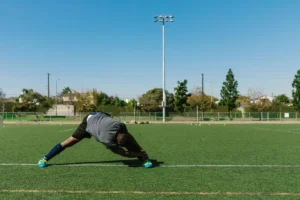
- Stretching. To reduce irritation and restore motion.
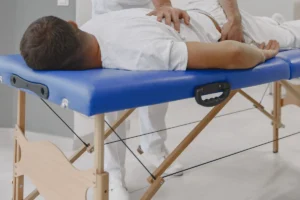
- Hands-on treatment. To improve motion and ease tension.
- Form and setup changes. HSS notes that physical therapy can address running form and bike fit.
- A return-to-activity plan. Built around your sport and goals.
Exercises should feel challenging but not painful. Stop any exercise that sharply increases your pain, and let your therapist adjust it.
Returning to running or cycling
MedlinePlus advises that once you can do stretching and strengthening exercises without pain, you can gradually begin running or cycling again. Build distance and speed slowly. If pain returns, ChoosePT advises changing your activity and contacting your physical therapist soon after you first feel it.
Some practical tips from AAOS OrthoInfo for runners include cross-training, regular stretching, hip strengthening and avoiding sudden increases in distance. OrthoInfo also suggests replacing running shoes every 300 to 500 miles.
Can you prevent IT band syndrome?
ChoosePT says keeping your core and leg muscles strong and flexible, and monitoring your activity, best prevents ITBS. Increase training gradually, mix in other activities, and do not ignore early pain. If you also deal with pain at the point of the hip, our post on hip bursitis explains how a tight IT band can affect that area. For shin pain from training too fast, see shin splints.
A running and motion analysis can look at how your hips, knees and ankles move as you run, which can help spot habits that add stress.
When to see a professional
Contact a healthcare provider if your pain gets worse or does not get better in a few weeks of home care. It also makes sense to get checked early if pain changes how you walk or keeps you from your usual activities.
MedlinePlus lists signs that mean you should contact your provider about knee pain. See a doctor promptly if:
- You cannot bear weight on your knee
- You have severe pain, even when not putting weight on it
- Your knee buckles or locks
- You have a fever, redness or warmth around the knee, or a lot of swelling
- You have pain, swelling, numbness or tingling in the calf below the sore knee
A doctor diagnoses the cause of knee pain. A physical therapist evaluates how you move and builds a plan to reduce pain and help you return to activity.
How OneRehab can help
OneRehab’s physical therapists evaluate and treat knee pain, including overuse injuries from running and other sports. Our knee physical therapy focuses on restoring knee motion and strength, and our sports medicine team builds programs around your sport. You can visit either of our clinics in Dallas or Richardson. In Texas, you can see a physical therapist without a referral. To get started, book a free screen or schedule an appointment.
Common questions
Can I keep running with IT band syndrome?
MedlinePlus suggests running shorter distances than usual first. If you still have pain, stop running for a while and switch to a low-impact activity.
Where does IT band pain hurt?
Usually on the outside of the knee. Some people also feel tightness or pain toward the outside of the hip.
Does IT band syndrome need surgery?
Very rarely. AAOS OrthoInfo notes that surgery is considered only when nonsurgical treatment fails.
Why does my knee hurt more going downhill?
MedlinePlus notes that running down hills or sitting for a long time with your knee bent may make IT band pain worse.
Is it IT band syndrome or runner’s knee?
Both are common in runners. IT band pain is on the outside of the knee, while runner’s knee is usually around or under the kneecap. An exam can tell them apart.
Sources
- Physical Therapy Guide to Iliotibial Band Syndrome (ITBS), ChoosePT (American Physical Therapy Association), revised 2020-05-20: https://www.choosept.com/guide/physical-therapy-guide-iliotibial-band-syndrome-itbs
- Iliotibial Band (IT Band) Syndrome, AAOS OrthoInfo, n.d.: https://www.orthoinfo.org/diseases–conditions/sports-injuries/iliotibial-band-it-band-syndrome/
- Iliotibial band syndrome – aftercare, MedlinePlus (U.S. National Library of Medicine), reviewed 2025-06-04: https://medlineplus.gov/ency/patientinstructions/000683.htm
- IT Band Syndrome, Hospital for Special Surgery, updated 2022-06-20: https://www.hss.edu/health-library/conditions-and-treatments/list/it-band-syndrome
- Knee pain, MedlinePlus (U.S. National Library of Medicine), reviewed 2024-11-07: https://medlineplus.gov/ency/article/003187.htm