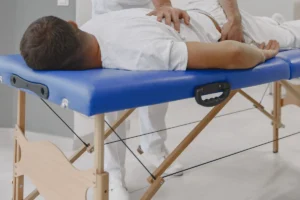

Dysphagia after stroke means having trouble swallowing food, drinks or even saliva after a stroke. It is a common symptom following a stroke, and it can be treated. A speech-language pathologist (SLP) tests how your swallow works, then teaches exercises, safer ways to sit and eat, and food or drink changes that make swallowing easier. At OneRehab, speech and language therapy includes help with swallowing, with physical and occupational therapists in the same clinic.
This guide explains why a stroke can affect swallowing, the signs to watch for, how swallowing is tested and what therapy usually looks like. Every stroke is different, so the advice of your own doctor and therapist always comes first.
What is dysphagia after stroke?
Dysphagia is the medical term for difficulty swallowing. A normal swallow depends on many small muscles in the mouth and throat working together in the right order. A stroke can affect the brain areas and nerves that control those muscles.
MedlinePlus notes that swallowing problems after a stroke may come from damage to the nerves that help you swallow, or from trouble paying attention while eating. Some people cannot swallow at all. Others have trouble with liquids, foods or saliva, which can make eating hard.
Swallowing is often one part of a wider recovery that may also include walking, arm use, speech or memory. Our stroke recovery timeline explains how the different stages of rehab fit together.
What are the signs of swallowing problems after a stroke?
Signs can be mild or more obvious. Common ones include:
- Coughing or choking during or right after eating or drinking
- A wet or gurgly voice during or after meals
- Clearing your throat often after swallowing
- Eating very slowly
- Food coming back up
- Hiccups after swallowing, or discomfort in the chest
- Weight loss you can’t explain
If you notice any of these, mention them to your doctor or therapist. They are useful clues, even when they seem small.
What is silent aspiration?
Aspiration means food or liquid going into the airway instead of down toward the stomach. Cleveland Clinic explains that silent aspiration is when food and liquid enter the lungs without any coughing, choking or other signs. It also notes that stroke survivors are at an especially high risk of it.
This is one reason care teams check swallowing after a stroke, even when meals seem to go fine. Untreated dysphagia can let food or liquid into the airway, and that material can lead to pneumonia. Testing helps your team find the safest way for you to eat and drink.
How is swallowing tested after a stroke?
A doctor may first ask about your symptoms and examine you. A speech-language pathologist can then assess your swallow more closely.
| Test | What happens | What it helps show |
|---|---|---|
| Clinical swallow exam | The SLP checks how well your mouth muscles move and watches you sit, feed yourself and swallow | How your swallow works during a real meal |
| Modified barium swallow | You swallow liquid and food mixed with barium while an X-ray records | Where food and drink go as you swallow |
| Endoscopic swallow exam (FEES) | A small, thin camera passes through the nose while you swallow | A close view of the throat on a screen |
Your SLP will explain the results in plain terms. Those results guide which exercises, positions and food textures fit you best.
What does dysphagia therapy involve?
Swallowing therapy with a speech-language pathologist usually combines a few approaches. The mix depends on what your tests show.
Swallowing exercises
An SLP can teach you exercises to strengthen the muscles you use to chew and swallow. There is no single set of swallowing exercises that suits everyone. Your SLP chooses them based on which part of your swallow needs help, shows you how to do them, and checks that you are doing them correctly.
Most plans include home practice between visits. If an exercise makes you cough, choke or feel worse, stop and tell your SLP before trying it again.
Posture and safe-swallow strategies
Your SLP may teach you ways to sit or hold your head when you eat. You may also learn strategies that help you swallow more safely, such as taking smaller bites or pausing to finish each swallow. These small changes can make a real difference at the table.
Changes to food and drinks
Softer foods or thicker drinks can make swallowing easier for some people. MedlinePlus advises not to drink thin liquids without checking with your provider or therapist first, because the SLP may recommend thickened liquids. Your SLP can update these recommendations as your swallow changes.
Safe mealtime habits
MedlinePlus offers general tips for people with swallowing problems. Your SLP may adjust them for you, so treat this list as a starting point, not a replacement for your own plan.
- Keep mealtimes relaxed and sit as upright as you can.
- Take small bites, chew well and swallow before the next bite.
- If one side of your face or mouth is weaker, chew on the stronger side.
- Don’t mix solids and liquids in the same bite, and don’t wash food down with a drink unless your therapist says it’s okay.
- Avoid talking while you swallow.
- Sit upright for 30 to 45 minutes after eating.
How long does dysphagia last after a stroke?
There is no single answer. As MedlinePlus puts it, each person has a different recovery time and need for long-term care.
What helps most is staying in touch with your care team. Your SLP can recheck your swallow over time and move you toward a more regular diet when it is safe. If your swallow seems to be getting harder rather than easier, tell your doctor or SLP.
How family and caregivers can help
Family members often notice changes first. A few simple steps can help:
- Learn the plan. Know which foods and drink thicknesses your SLP recommends.
- Keep meals calm. MedlinePlus notes that caregivers may be asked not to talk to the person while they eat or drink.
- Give gentle reminders. Someone may need to remind the person to finish swallowing.
- Watch for signs. Coughing at meals, a gurgly voice or weight loss are worth passing along to the care team.
- Ask questions. It’s fine to ask the SLP whether a family member can watch a session and practice the strategies.
When to see a professional
Contact your doctor or speech-language pathologist if:
- You cough, have a fever or feel short of breath
- You are losing weight
- Your swallowing problems are getting worse
- Coughing or choking with meals keeps happening
If someone is having trouble breathing and you think something is stuck in their throat, call 911.
Physicians diagnose the cause of dysphagia and decide on medical treatment. A speech-language pathologist evaluates how you swallow and treats it with exercises, strategies and diet guidance. If swallowing still feels hard after a hospital stay or inpatient rehab, outpatient speech therapy is a sensible next step to ask about.
How OneRehab can help
OneRehab’s speech-language pathologists treat swallowing difficulties along with speech, language and thinking skills after a stroke. Because physical, occupational and speech therapists work in the same clinic, your swallowing care can fit with the rest of your stroke therapy and our wider neuro rehabilitation program. We see patients at both clinics, in Dallas and Richardson. To get started with speech therapy, schedule an appointment. If you also have questions about walking, balance or pain, you can book a free screen with a physical therapist or certified athletic trainer.
Common questions
Is dysphagia after stroke permanent?
Not always. Recovery is different for each person, and your speech-language pathologist can recheck your swallow over time and adjust your plan as things change.
Can I do swallowing exercises at home?
Yes, once your SLP has shown you which ones to do and how. Home practice is a normal part of swallowing therapy, but stick to the exercises chosen for you.
Why do I need thickened drinks?
Your SLP may recommend thickened liquids to make swallowing easier and safer for you. Check with your provider or therapist before drinking thin liquids.
What is silent aspiration?
It is when food or liquid enters the lungs without coughing, choking or other signs. Stroke survivors are at higher risk, which is one reason swallowing is tested.
Who treats swallowing problems after a stroke?
A speech-language pathologist evaluates and treats swallowing problems. Your doctor looks for the cause and manages any medical treatment.
Sources
- Dysphagia (Difficulty Swallowing), Cleveland Clinic, updated 2023-08-20: https://my.clevelandclinic.org/health/diseases/21195-dysphagia-difficulty-swallowing
- Swallowing problems, MedlinePlus Medical Encyclopedia (U.S. National Library of Medicine), reviewed 2026-04-27: https://medlineplus.gov/ency/patientinstructions/000065.htm
- Recovering after stroke, MedlinePlus Medical Encyclopedia (U.S. National Library of Medicine), reviewed 2025-07-01: https://medlineplus.gov/ency/article/007419.htm
- Dysphagia, MedlinePlus (U.S. National Library of Medicine), updated 2025-12-03: https://medlineplus.gov/swallowingdisorders.html
- Swallowing Disorders in Adults, Communication Health Support Association, powered by the American Speech-Language-Hearing Association (redirected from asha.org), reviewed 2026-05-01: https://helpingyoucommunicate.org/article/swallowing-disorders-in-adults