
A cervicogenic headache is head pain that comes from a problem in your neck. The pain often starts at the back of the neck, near the base of the skull, and spreads to one side of the head, usually toward the forehead and sometimes behind the eye. Moving your neck can bring it on or make it worse, and your neck may feel stiff. Physical therapy, which includes hands-on care and exercise, is considered a first-line treatment. At OneRehab, our neck and spine therapy team evaluates and treats neck problems like this one.
Because the source is in the neck, treating only the head pain often misses the bigger picture. The good news is that these headaches are treatable, and many people find that working on neck movement, strength and posture helps.
This guide covers the common signs, what can cause a cervicogenic headache, how it differs from other headaches and when it is worth getting checked.
What is a cervicogenic headache?
A cervicogenic headache is a “secondary” headache. That means the pain is caused by something else, in this case an issue in the cervical spine (your neck). The pain is referred: the problem sits in the neck, but you feel it in your head.
These headaches usually come from the upper part of the neck, near the skull. The bones, joints, ligaments and nerve roots in this area can all be involved. Cervicogenic headaches are less common than many other headache types. Cleveland Clinic estimates they affect between 0.4% and 4% of people who have headaches worldwide.
Cervicogenic headache symptoms
The signs can overlap with other headaches, which is one reason a proper evaluation matters. Common features include:
- Pain on one side of the head
- Pain that starts at the back of the neck at the base of the skull and spreads toward the forehead, sometimes behind the eye
- Pain that is often triggered or made worse by moving your neck
- Reduced movement in the neck, such as trouble turning your head fully
- Occasionally, pain that reaches the shoulder or arm
You may or may not notice neck pain at the same time as the headache. Some people only notice the stiffness when they check over a shoulder while driving or look down at a phone for a while.
What causes a headache from the neck?
An injury or condition that affects the neck can lead to a cervicogenic headache. Conditions linked to these headaches include:
- Arthritis in the neck
- A fracture
- A pinched nerve (see our guide to a pinched nerve in the neck)
- A slipped or herniated disc
- Whiplash
Daily habits can also play a part. Holding your head in an unnatural position for long periods, such as hunching over a phone or laptop, may contribute. This head-forward posture is sometimes called “tech neck” or “text neck.”
How is it different from a migraine or tension headache?
A cervicogenic headache can feel like a migraine because the pain is often on one side. But it usually does not come with the other features common in migraine, such as sensitivity to light or sound, nausea or vomiting. It can also be mistaken for a tension headache.
Because the symptoms overlap, a physician is the right person to diagnose the type of headache. Diagnosis can be tricky because the pain is referred. A doctor may order imaging, such as an X-ray, CT scan or MRI, but a normal scan does not always rule out the neck as the source, so a hands-on exam is also important.
How does physical therapy help a cervicogenic headache?
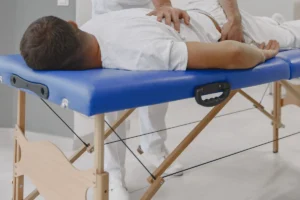
Physical therapy is a common, first-line approach. A physical therapist will start with a full evaluation, including your health history. They will look at your posture while sitting, standing and doing everyday tasks, and check how well the joints and muscles in your neck move.
Treatment is then built around what they find. It may include:
- Manual therapy. Skilled hands-on techniques to improve movement and ease pain.
- Strengthening exercises. Work for the muscles that help stabilize your upper back and neck.
- Posture training. Practical ways to sit, stand and work with less strain on your neck.
- Stretching and range-of-motion work. Gentle movements to restore comfortable neck motion.
Some people notice their headaches get a little worse when treatment first begins. A good therapist will pace exercises and stretches to keep that flare-up small, so tell them how you feel after each visit.
You can read more about our approach on the physical therapy page.
Gentle cervicogenic headache exercises
These are common, gentle neck exercises. They are a starting point, not a full program, and a therapist should tailor them to you. Move slowly, stay within a comfortable range and stop if pain sharply increases or you feel dizzy.
- Chin tuck (chin retraction). Sit up straight. Gently draw your chin straight back, keeping your eyes level and your neck and back straight. Do not tip your head forward or look down. Relax and repeat a few times.
- Neck rotation. Sitting tall, slowly turn your head to one side until you feel a gentle stretch. Return to center, then turn to the other side.
- Side bend. Tilt your head toward one shoulder until you feel a stretch on the opposite side of your neck. Return to center and repeat on the other side.
Your therapist may also add exercises for your upper back and shoulder muscles, which help support the neck. If you work at a desk, our posture exercises and ergonomic desk setup guides offer simple ideas. One easy tip: keep your screen no lower than eye level.
Can you prevent a cervicogenic headache?
You cannot prevent every cause, but some habits may lower your risk:
- Avoid slouching and change positions often
- Sleep on a supportive pillow and mattress
- Exercise regularly
- Take safety steps to prevent falls and accidents
When to see a professional
It is a good idea to see a healthcare provider if you have headaches without a known cause, or if your headaches are getting worse. A physical therapist can help when neck stiffness, posture or movement seems linked to your headaches.
See a doctor promptly, or get emergency care, if:
- A headache comes on suddenly and is explosive or violent (call 911)
- It is the worst headache you have ever had
- You also have slurred speech, vision changes, trouble moving your arms or legs, loss of balance, confusion or memory loss
- You have a fever, stiff neck, nausea and vomiting with the headache
- The headache follows a head injury
- You just started getting headaches, especially if you are older than 50
How OneRehab can help
OneRehab’s physical therapists evaluate neck movement, strength and posture and build a treatment plan for neck-related pain through our neck and spine therapy program. You can visit either of our clinics in Dallas or Richardson. In Texas, you can see a physical therapist without a referral. To start, book a free screen with one of our licensed physical therapists or certified athletic trainers, or schedule an appointment.
Common questions
What does a cervicogenic headache feel like?
It is usually a one-sided head pain that starts at the back of the neck and spreads toward the forehead or behind the eye. It is often worse when you move your neck, and the neck may feel stiff.
Is a cervicogenic headache the same as a migraine?
No. It can feel similar because the pain is on one side, but it usually does not cause the light or sound sensitivity, nausea or vomiting common with migraine. A doctor can tell the difference.
Can bad posture cause a cervicogenic headache?
Keeping your head in an unnatural position for long periods, such as hunching over a device, may contribute. Physical therapists teach ways to improve posture as part of treatment.
Can physical therapy make the headache worse at first?
It can, for a short time. Your therapist will pace stretches and exercises to keep any flare-up small.
How long does a cervicogenic headache last?
It varies from person to person. These headaches can interfere with daily life, but they are treatable, so talk to your doctor or therapist about a plan that fits you.
Sources
- Cervicogenic Headache, Cleveland Clinic, updated July 11, 2024: https://my.clevelandclinic.org/health/diseases/cervicogenic-headache
- A headache that starts in your neck, Harvard Health Publishing (Harvard Medical School), December 2, 2025: https://www.harvardhealth.org/pain/a-headache-that-starts-in-your-neck
- Physical Therapy Guide to Headaches, ChoosePT (American Physical Therapy Association), revised September 15, 2020: https://www.choosept.com/guide/physical-therapy-guide-headaches
- Headaches: Danger signs, MedlinePlus (U.S. National Library of Medicine), reviewed October 27, 2025: https://medlineplus.gov/ency/article/003024.htm
- Neck exercises and advice, Cambridge University Hospitals NHS Foundation Trust, approved July 16, 2024: https://www.cuh.nhs.uk/patient-information/neck-exercises-and-advice/