A groin pull is a strain of the muscles in your groin, most often the adductors on the inside of your thigh. It usually causes sharp pain in the groin or inner thigh, especially right after the injury. Cleveland Clinic says most people need a month or two to fully heal from a mild or moderate groin pull, while severe or repeated strains can take several months. Gentle care early on, then a gradual return to strength and sport, gives the muscle the best chance to heal well. For hands-on help, sports medicine physical therapy at OneRehab can guide your rehab.
Groin pulls are most common in athletes, especially in sports like hockey, soccer, football and basketball. The good news is that most heal with time and sensible care.
What is a groin pull?
A groin pull, also called a groin strain, happens when you stretch a muscle in your groin far enough to tear or damage it. ChoosePT, the American Physical Therapy Association’s consumer site, describes it as an overstretching or tearing injury to the muscles of the inner thigh or front of the hip.
The inner thigh muscles, called the adductors, attach to the pubic bone. Cleveland Clinic notes that the adductors are a group of six muscles in your hips and thighs.
What are the symptoms of a groin pull?
Cleveland Clinic lists these common symptoms:
- Pain, often a sharp, twinging pain right after the injury
- Trouble moving your leg or hip
- Muscle weakness
- Bruising or discoloration
- Swelling
- Muscle spasms
ChoosePT adds that with higher-grade strains, the muscles may feel tight or weak, and lifting the leg or knee can bring on pain.
What causes a groin pull?
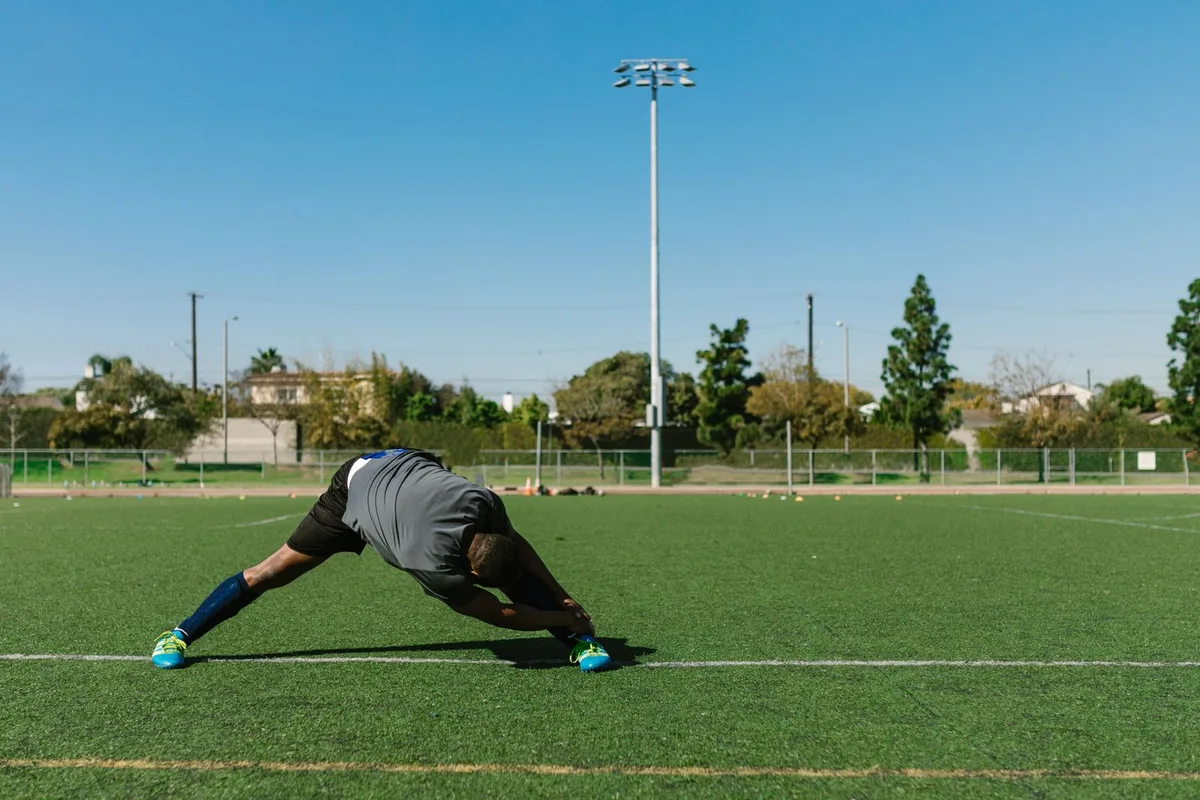
Groin pulls usually happen during sport. Cleveland Clinic notes that athletes are much more likely to strain their groin and lists hockey, soccer, football and basketball as common causes. ChoosePT reports that groin strains account for 10% of all hockey injuries and 5% of all soccer injuries.
Sudden increases in training can also play a part. ChoosePT advises increasing the intensity of activity or sport gradually, not suddenly.
Groin pull recovery time by grade
Health care providers grade strains by how much of the muscle is damaged. ChoosePT describes the grades this way:
| Grade | What it means | Typical recovery |
|---|---|---|
| Grade 1 (mild) | Mild stretch, or a tear of a few muscle fibers | About a month or two |
| Grade 2 (moderate) | Stretch or tear of a greater share of the muscle fibers | About a month or two |
| Grade 3 (severe) | Severe tear, sometimes a complete tear | Several months |
The recovery times come from Cleveland Clinic, which says most people need a month or two to fully heal after a mild or moderate groin strain. Severe strains and chronic strains, meaning the same muscle strained several times, can take several months. Surgery is rare and is generally considered only for severe strains. Everyone heals at their own pace, so use these as a rough guide.
How do you treat a groin pull at home?
In the first few days, the goal is to calm things down while keeping gentle movement.
- Protect the area. Rest from activities that cause pain. A UK NHS physiotherapy leaflet for groin strain suggests starting gentle movement when it feels okay.
- Ice. The same leaflet suggests wrapping ice in a damp towel and applying it for 15 to 20 minutes every 2 to 3 hours, watching for ice burns.
- Compression. A snug, but not tight, elastic bandage can help with swelling.
- Elevation. Raise your leg when resting.
- Hold off on hard training. Cleveland Clinic advises not running, working out or doing intense exercise while you are recovering from a groin strain.
Cleveland Clinic describes this kind of care as the RICE method (rest, ice, compression, elevation). For questions about pain medicine, ask your doctor or pharmacist.
Groin pull rehab exercises
Once the first sharp pain settles, gentle strengthening helps the muscle recover. These three exercises come from an NHS physiotherapy leaflet for groin strain. It suggests doing each one 10 to 20 times, twice a day. The leaflet notes they may be uncomfortable but should not significantly increase your symptoms. Stop if pain sharply increases, and ask a therapist to tailor them to you.
- Inner thigh squeeze. Lie on your back with your knees bent. Place a ball between your knees, keeping your feet in line with them. Gently squeeze the ball by pressing your knees together. Hold for 5 seconds, then relax.
- Bridge with thigh squeeze. Lie on your back with your knees bent and a ball or pillow between them. Squeeze your buttocks and tighten your tummy to lift your hips. As you rise, gently squeeze the ball. Hold for a few seconds, then lower.
- Bottom leg lift. Lie on your injured side. Bend your top knee to 90 degrees and keep the bottom (injured) leg straight. Lift the straight leg while keeping your hips still, then lower it.
ChoosePT notes that certain exercises help healing at each stage of recovery, and that your physical therapist will work with you on goals such as returning to work or sport. A therapist can also add running, cutting and sport drills when you are ready. Related posts in this series cover hamstring strains and hip flexor strains, two other common sports muscle injuries.
How can you prevent a groin pull?
ChoosePT suggests three habits:
- Always warm up before starting a sport or heavy physical activity.
- Strengthen the muscles of the inner thigh, groin and buttocks.
- Increase the intensity of activity or sport gradually, not suddenly.
Cleveland Clinic also lists stretching and warming up before exercise or sport as ways to help prevent groin strains.
When to see a professional
Many groin pulls improve with home care. Cleveland Clinic suggests talking to a provider if you are still feeling pain after a few weeks of at-home treatment. It is also worth getting help if you keep straining the same area, or if you want guidance on getting back to sport safely.
Cleveland Clinic advises seeing a provider right away for intense pain in or around your groin. It recommends emergency care if you have trauma or bleeding in the area, cannot move your leg or hip, have swelling that keeps getting worse, notice skin that feels cold or changes color, or have numbness or tingling.
Not all groin pain comes from a muscle strain. Problems in the hip joint can also cause groin pain, as OneRehab’s hip injury therapy page explains. If your pain did not start with a clear strain, or it is not improving, see your doctor to find the cause.
How OneRehab can help
OneRehab’s sports medicine and physical therapy team evaluates groin and hip injuries, then builds a rehab plan to restore strength and help you return to activity. Learn more about sports medicine physical therapy and hip injury therapy, offered at both clinics in Dallas and Richardson. In Texas you can see a physical therapist without a referral. To get started, book a free screen or schedule an appointment.
Common questions
How long does a groin pull take to heal?
Cleveland Clinic says most people need a month or two to fully heal after a mild or moderate groin strain. Severe or repeated strains can take several months.
Can I walk with a groin pull?
Walking may be uncomfortable for a while. Cleveland Clinic lists trouble moving your leg or hip as a common symptom, and advises emergency care if you cannot move your leg or hip at all.
Should I stretch a pulled groin?
Go gently and follow your therapist’s advice. The NHS physiotherapy leaflet focuses on gentle strengthening, such as the inner thigh squeeze, and says exercises should not significantly increase your symptoms.
Is a groin pull the same as a hernia?
No. A groin pull is a muscle strain. Other problems can cause groin pain, so see your doctor if your pain did not follow a clear strain or is not improving.
Do I need surgery for a groin pull?
Rarely. Cleveland Clinic says surgery is generally considered only for severe (grade 3) strains.
Sources
- Groin Strain, Cleveland Clinic, updated 2023-11-02: https://my.clevelandclinic.org/health/diseases/groin-strain
- Physical Therapy Guide to Groin Strain, ChoosePT (American Physical Therapy Association), revised 2025-01-31: https://www.choosept.com/guide/physical-therapy-guide-groin-strain
- Physiotherapy advice for groin strain, Berkshire Healthcare NHS Foundation Trust, n.d. (linked leaflet v1 Feb 2026): https://www.berkshirehealthcare.nhs.uk/advice/groin-strain