Foot drop exercises aim to strengthen the muscles that lift the front of your foot and to stretch a tight calf, so your toes are less likely to catch when you walk. Common examples are toe and ankle lifts, gently resisted ankle lifts and calf stretches against a wall. Because foot drop is a sign of another problem, such as a nerve injury, stroke or multiple sclerosis, the right plan depends on the cause. OneRehab’s neuro rehabilitation program and stroke therapy teams can evaluate your walking and tailor exercises to you.
Foot drop can feel worrying, especially when it changes how you walk. Therapy, a well-fitted brace and simple exercises can help make walking safer. In some cases, foot drop improves on its own as a nerve heals.
This guide covers what foot drop is, what causes it, exercises a therapist may use, braces and other help, and when to get checked.
What is foot drop?
Foot drop (also called drop foot) happens when you can’t raise the front part of your foot because the muscles that lift it are weak or not working well. It usually affects one foot, but it can affect both.
Foot drop is not a condition by itself. It is a symptom of another problem with the nerves, muscles, brain or spinal cord.
Foot drop symptoms
You might notice:
- Trouble lifting the front of your foot and your toes
- Toes that drag or catch, which raises the risk of tripping
- Lifting your knee higher than usual to clear your toes, sometimes called a steppage gait
- A slapping sound as your foot hits the ground
- Numbness or tingling on the top of the foot or the shin
Some people have foot drop that gets worse as the muscle tires. Their ankle may work fine at first and then become harder to lift later in a walk.
What causes foot drop?
The most common causes are a pinched nerve root in the lower back (lumbar radiculopathy) and injury to the peroneal nerve, which runs around the outside of the knee. Other causes include:
- Nerve pressure or injury. Sports injuries, long periods of kneeling or squatting, and crossing your legs can affect the peroneal nerve.
- Back problems. A slipped disc can press on a nerve root.
- Surgery or long bed rest. Foot drop can follow hip or knee replacement surgery or long periods of not moving, such as a hospital stay.
- Nerve damage from diabetes and other types of peripheral neuropathy.
- Brain and spinal cord conditions. These include stroke, multiple sclerosis, Parkinson’s disease and cerebral palsy.
- Inherited and muscle conditions. These include Charcot-Marie-Tooth disease and some forms of muscular dystrophy.
If your foot drop came with back pain that runs down your leg, our post on sciatica exercises explains that kind of nerve pain. If it came with numb feet, our guide to peripheral neuropathy exercises covers balance work that may also help.
Foot drop exercises a therapist may suggest
Physical therapy can help stretch and strengthen the muscles and help you walk better. The exercises below come from an NHS physiotherapy guide for drop foot. A quick self-check from the same guide: sit with your feet flat and your heels down, then lift your toes. If one side is harder to lift, mention it to your therapist.
Go gently, stay within a comfortable range, and stop if pain sharply increases. Your therapist will adjust these for your strength and cause.
- Toe and ankle lifts. Sitting or lying down, pull your toes and ankle up toward you, keeping the rest of your leg still. The guide suggests 20 to 30 repetitions for 2 to 3 sets. Lying down is easiest if the ankle is very weak.
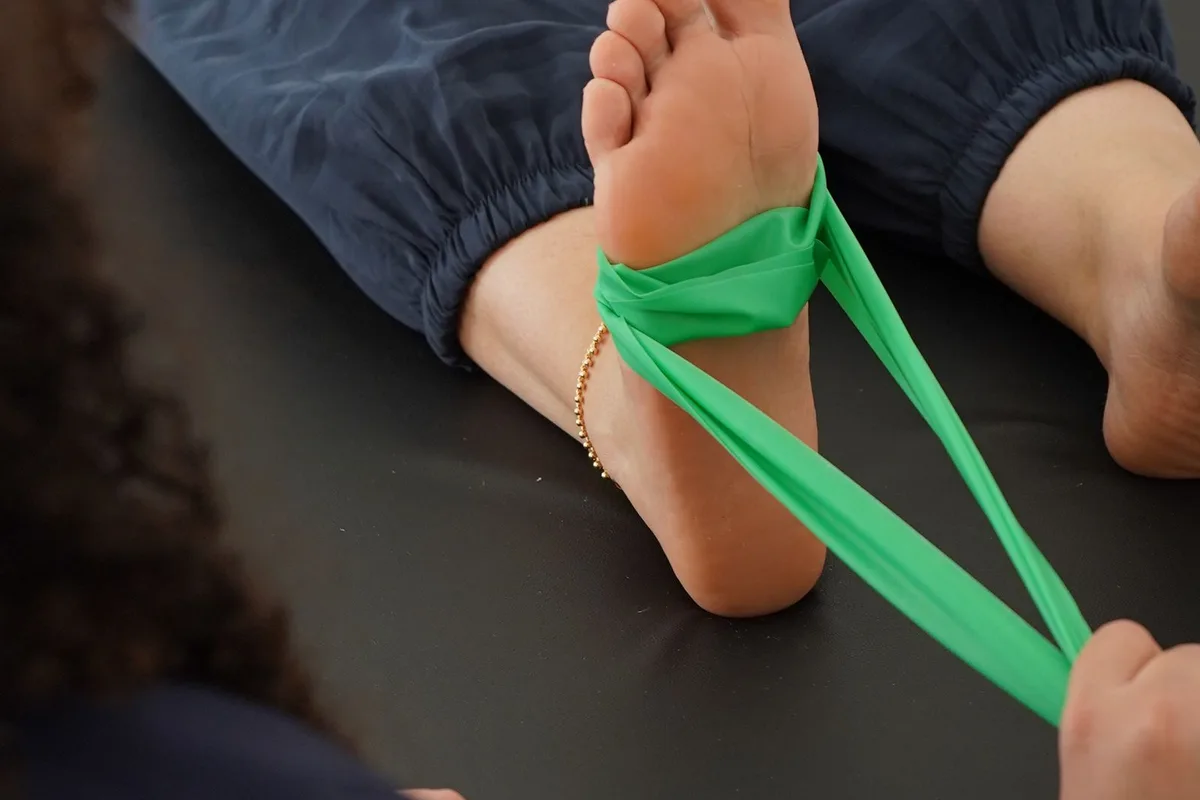
- Helped ankle lifts. If you can’t lift your foot yet, loop a towel or belt under the ball of your foot. Pull gently with both hands while your ankle does as much of the work as it can.
- Gently resisted ankle lifts. Rest your other foot lightly on top of the weaker foot. Lift your toes and ankle against that light pressure, letting the weaker foot do the work. Try 10 to 20 repetitions for 3 sets. A resistance band anchored to something solid can work instead.
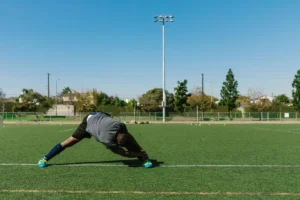
- Straight-knee calf stretch. Stand facing a wall with your hands on it. Step one leg well back, toes pointing forward, heel down and knee straight. Bend your front knee until you feel a stretch in the back calf. Hold for 30 seconds and repeat 3 times.
- Bent-knee calf stretch. Take a smaller step back. Keep both heels down and bend both knees to stretch lower in the calf. Hold for 30 seconds and repeat 3 times.
Stretch within a comfortable range and don’t force it into pain. If standing stretches feel unsteady, your therapist can show you a seated version with a towel.
Braces and other help for foot drop
Exercise is one part of foot drop treatment. Others include:
- A brace or splint. A brace, splint or shoe insert can help hold the foot and ankle in a better position so your toes clear the ground. A common type is an ankle-foot orthosis (AFO), which fits inside your shoe.
- Electrical stimulation. A small device sends electrical signals to help the nerve and muscle work. The NHS notes it is used especially after stroke or with multiple sclerosis.
- Walking practice. A therapist can work on your walking pattern and show you how to use any brace or walking aid safely.
- Treating the cause. Your doctor focuses on the problem behind the foot drop. If the cause is temporary, such as nerve pressure, foot drop can go away once the nerve heals.
- Surgery. In some cases, surgery is used to relieve pressure on a nerve or repair it. For long-lasting foot drop, other procedures may be an option. Your doctor will talk with you about whether this applies.
Simple safety steps at home
- Clear loose rugs and cords from the places you walk.
- Wear shoes when you’re up and about, plus your brace if you have one.
- Take your time on stairs and uneven ground.
When to see a professional
See a doctor if you’re having trouble lifting the front of your foot, controlling your foot or walking like you used to. A doctor will examine your leg and foot, watch you walk, and may order tests to find the cause.
Call 911 right away if foot or leg weakness comes on suddenly with other signs of a stroke, such as:
- Sudden numbness or weakness in the face, arm or leg, especially on one side
- Sudden trouble walking, dizziness or loss of balance
- Sudden confusion or trouble speaking
- Sudden trouble seeing or a sudden severe headache
A physician diagnoses the cause of foot drop. A physical or occupational therapist can evaluate your strength and walking, guide exercises and help with braces and daily tasks. If your foot drop follows a stroke, our post on the stroke recovery timeline explains what rehab often looks like.
How OneRehab can help
OneRehab’s physical and occupational therapists work with people whose walking has been affected by conditions such as stroke and multiple sclerosis, through our stroke therapy and neuro rehabilitation program. Therapy can include strengthening and walking practice, and our therapists teach you how to use mobility aids, such as braces, canes or walkers, safely. You can visit either clinic: Dallas or Richardson. To get started, book a free screen or schedule an appointment. In Texas, you can also see a physical therapist without a referral.
Common questions
Can foot drop be cured with exercises?
It depends on the cause. If the cause is temporary, foot drop can go away as the nerve heals, and exercises can help you regain strength. With some long-term conditions, foot drop is usually permanent, and a brace and therapy help you walk more safely.
What is the most common cause of foot drop?
The most common causes are a pinched nerve root in the lower back and an injury to the peroneal nerve near the knee.
Should I wear a brace for foot drop?
Many people do. A brace, splint or shoe insert helps keep the foot in a better position as you walk. Your doctor or therapist can advise which type suits you.
Can crossing my legs cause foot drop?
It can. Crossing your legs at the knees, and long periods of kneeling or squatting, can put pressure on the peroneal nerve.
How do I know if I have foot drop?
Signs include toes that drag or catch, lifting your knee higher to clear your foot, and a slapping sound as your foot lands. A doctor can confirm it and look for the cause.
Sources
- Foot drop, NHS, last reviewed 2025-06-30: https://www.nhs.uk/conditions/foot-drop/
- Foot drop, MedlinePlus Medical Encyclopedia (NIH), reviewed 2025-04-16: https://medlineplus.gov/ency/article/007761.htm
- Foot Drop, Cleveland Clinic, last updated 2023-01-16: https://my.clevelandclinic.org/health/symptoms/17814-foot-drop
- Managing drop foot, NHS Tayside Physiotherapy, n.d.: https://www.nhstayside.scot.nhs.uk/OurServicesA-Z/Physiotherapy/PROD_387693/index.htm
- Peripheral neuropathy, MedlinePlus Medical Encyclopedia (NIH), reviewed 2026-05-04: https://medlineplus.gov/ency/article/000593.htm
- Peroneal Nerve Injury, Cleveland Clinic, last updated 2026-03-31: https://my.clevelandclinic.org/health/diseases/24263-peroneal-nerve-injury
- Signs and Symptoms of Stroke, Centers for Disease Control and Prevention, 2026-05-19: https://www.cdc.gov/stroke/signs-symptoms/index.html