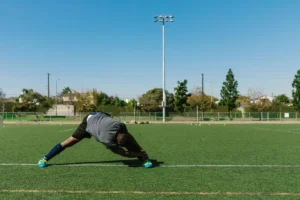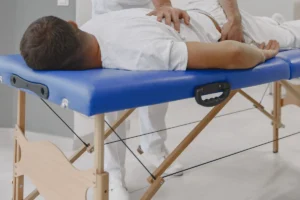

Peripheral neuropathy exercises focus on two things: balance and strength. Simple moves such as heel-to-toe walking, standing on one leg near a wall, sideways steps and sit-to-stands can help you feel steadier, especially when numb feet make it hard to sense the ground. Do them near a sturdy chair or wall, and check your feet afterward. A physical therapist can test your balance and set safe exercises, and OneRehab’s physical therapy team can help you start.
Peripheral neuropathy is common, and it can change how you move. The good news is that physical therapy may help with balance problems and falls caused by neuropathy.
This guide explains how neuropathy affects balance, exercises to try, foot care while you stay active, and when to see a professional.
What is peripheral neuropathy?
Peripheral neuropathy happens when nerves outside the brain and spinal cord get damaged. These nerves carry feeling from your skin and joints and send signals to your muscles.
Diabetes is the most common cause. Up to one-half of people with diabetes have peripheral neuropathy. Other causes include chemotherapy, autoimmune conditions, inherited conditions, kidney disease and vitamin deficiencies.
Common symptoms include:
- Numbness, tingling, burning or pain, often starting in the feet
- Muscle weakness
- Trouble with balance and coordination
How does neuropathy affect balance?
When your feet are numb, it is harder to tell where they are and how they are landing. That can lead to a loss of balance, and peripheral neuropathy can make you more likely to fall.
Muscle weakness can add to the problem. That is why therapy for neuropathy usually works on both balance and strength.
How does physical therapy help peripheral neuropathy?
A physical therapist starts by checking your strength, balance, sensation and walking. From there, treatment may include:
- Balance and coordination activities to help you stay steady and move smoothly
- Moderate-intensity exercise to improve strength and how your body works
- Nerve gliding exercises, since nerves need movement, blood flow and space to work well
- Bracing for some nerve, joint or muscle problems
- Education on how to manage neuropathy in daily life and stay safe
Occupational therapy can also help if numb hands make daily tasks harder.
Peripheral neuropathy exercises for balance
These balance exercises come from NHS exercise guidance. Do them in a clear space, near a wall or a sturdy chair you can hold if needed. Wear supportive shoes. Start with support and use less as you get steadier.
- Sideways walking. Stand with your feet together and knees slightly bent. Step to the side with one foot, then bring the other foot to meet it. Take about 10 steps each way, or cross the room and back.
- Heel-to-toe walk. Stand tall. Place one heel directly in front of the toes of your other foot, then step forward the same way with the other foot. Try at least 5 steps. Keep looking forward, and keep a hand on the wall if needed.
- One-leg stand. Face a wall with your fingertips touching it. Lift one foot, keeping your hips level. Hold for 5 to 10 seconds, then lower it gently. Do 3 on each side.
- Step-up. Use the bottom step of a staircase with a rail. Step up with one leg, bring the other up to join it, then step back down. Go slowly and in control. Do up to 5 with each leg.
Peripheral neuropathy exercises for strength
Therapy often includes exercises to improve muscle strength and control. These simple moves target the legs.
- Sit to stand. Sit in a sturdy chair. Stand up and sit down slowly, trying not to use your hands. Use your hands at first if you need to.
- Standing hip moves. Hold a counter. Slowly move one straight leg back, then out to the side. Repeat on the other leg.
- Regular walking or cycling. General activity counts too. Choose something you can do safely most days.
How to stay safe while you exercise
- Have a chair, counter or wall within reach for every balance exercise.
- Stop if you feel dizzy, if pain sharply increases, or if you feel unsafe, and let your therapist know.
- Progress slowly. Your therapist can tell you when to use less support or add a harder version.
- Check your feet after exercise for blisters, cuts or sores.
Foot care and home safety when you’re active
Numb feet need a little extra care:
- Check your feet every day for cuts, blisters or sores.
- Wear shoes at all times to protect your feet from injury.
- Get a foot exam from your doctor at least once a year if you have diabetes.
- Clear your walkways. Remove loose rugs and wires from areas where you walk.
If you have diabetes, call or see your doctor right away if you notice any foot problems, such as a sore that is slow to heal.
For more ways to feel steady on your feet, our older post on physical therapy for balance improvement covers the basics. If numbness and leg pain come on mostly when you stand or walk, our post on spinal stenosis exercises explains another possible cause to ask your doctor about.
When to see a professional
Contact your doctor if you have symptoms of nerve damage, such as numbness, tingling, burning or weakness. Early treatment increases the chance of controlling symptoms and preventing more problems. Your doctor works out the cause and manages the medical side.
It is a good time to see a physical therapist if:
- You feel unsteady, or you have tripped or fallen
- You are avoiding walking or activity because of balance worries
- Numbness or weakness makes stairs, curbs or uneven ground harder
How OneRehab can help
OneRehab’s physical therapy team evaluates strength, balance and walking and builds exercise plans to match. Our neuro rehabilitation program offers tailor-made plans for people with conditions that affect the nervous system. You can visit either clinic: Dallas or Richardson. To get started, book a free screen or schedule an appointment. In Texas, you can also see a physical therapist without a referral.
Common questions
Can exercise help peripheral neuropathy?
Physical therapy may help with balance issues and falling due to neuropathy, and therapy exercises can improve muscle strength and control. Your doctor treats the cause; exercise is one part of care.
What are the best exercises for neuropathy in the feet?
Balance exercises such as heel-to-toe walking, one-leg stands near a wall and sideways walking, plus leg strengthening like sit-to-stands, are a good base. A physical therapist can choose the right level for you.
Is walking good for peripheral neuropathy?
For many people, yes. Wear protective shoes, choose safe, even routes at first, and check your feet afterward.
Why do I feel unsteady with neuropathy?
Numbness makes it harder to tell where your feet are moving, which can cause a loss of balance. Weak muscles can add to it.
Should people with diabetic neuropathy check their feet?
Yes. Check your feet every day, and see your doctor for a foot exam at least once a year.
Sources
- Physical Therapy Guide to Peripheral Neuropathy, American Physical Therapy Association (ChoosePT), revised 2025-09-24: https://www.choosept.com/guide/physical-therapy-guide-peripheral-neuropathy
- Peripheral neuropathy, MedlinePlus Medical Encyclopedia (NIH), reviewed 2026-05-04: https://medlineplus.gov/ency/article/000593.htm
- Peripheral Neuropathy, National Institute of Diabetes and Digestive and Kidney Diseases (NIH), last reviewed February 2018: https://www.niddk.nih.gov/health-information/diabetes/overview/preventing-problems/nerve-damage-diabetic-neuropathies/peripheral-neuropathy
- Peripheral Neuropathy, Cleveland Clinic, last updated 2026-07-16: https://my.clevelandclinic.org/health/diseases/14737-peripheral-neuropathy
- Balance exercises, NHS, last reviewed 2023-11-07: https://www.nhs.uk/live-well/exercise/strength-and-flexibility-exercises/balance-exercises/
- Leg pain (lumbar spinal stenosis), MSK Dorset (NHS), n.d.: https://www.mskdorset.nhs.uk/back-pain_1/back-pain-leg-pain-spinal-stenosis/