Hip bursitis is irritation of a small, fluid-filled sac (a bursa) that cushions the bony point on the outside of your hip. The main sign is pain at the point of the hip that can spread down the outer thigh. It often feels worse at night when you lie on that side, or when you stand up after sitting for a while. Most people improve with rest, activity changes and targeted exercise, and a hip physical therapy program can guide that process.
The good news is that hip bursitis usually responds to simple care. Cleveland Clinic notes that it usually gets better after a few weeks to a few months of rest and treatment. Surgery is rarely needed.
This guide covers the usual symptoms, common causes, what you can do at home and the kinds of exercises a physical therapist may use.
What is hip bursitis?
Your body has small sacs called bursae that reduce friction where tissues glide over bone. One of them sits over the greater trochanter, the bony point at the top of your thighbone on the outside of the hip. When that bursa gets irritated, the condition is called trochanteric bursitis. Cleveland Clinic explains that hip bursitis and trochanteric bursitis are, technically, the same condition.
You may also hear the term greater trochanteric pain syndrome, or GTPS. MedlinePlus uses this name and describes it simply as pain that occurs on the outside of the hip. Your doctor may use either term.
Hip bursitis symptoms
The most common hip bursitis symptoms are:
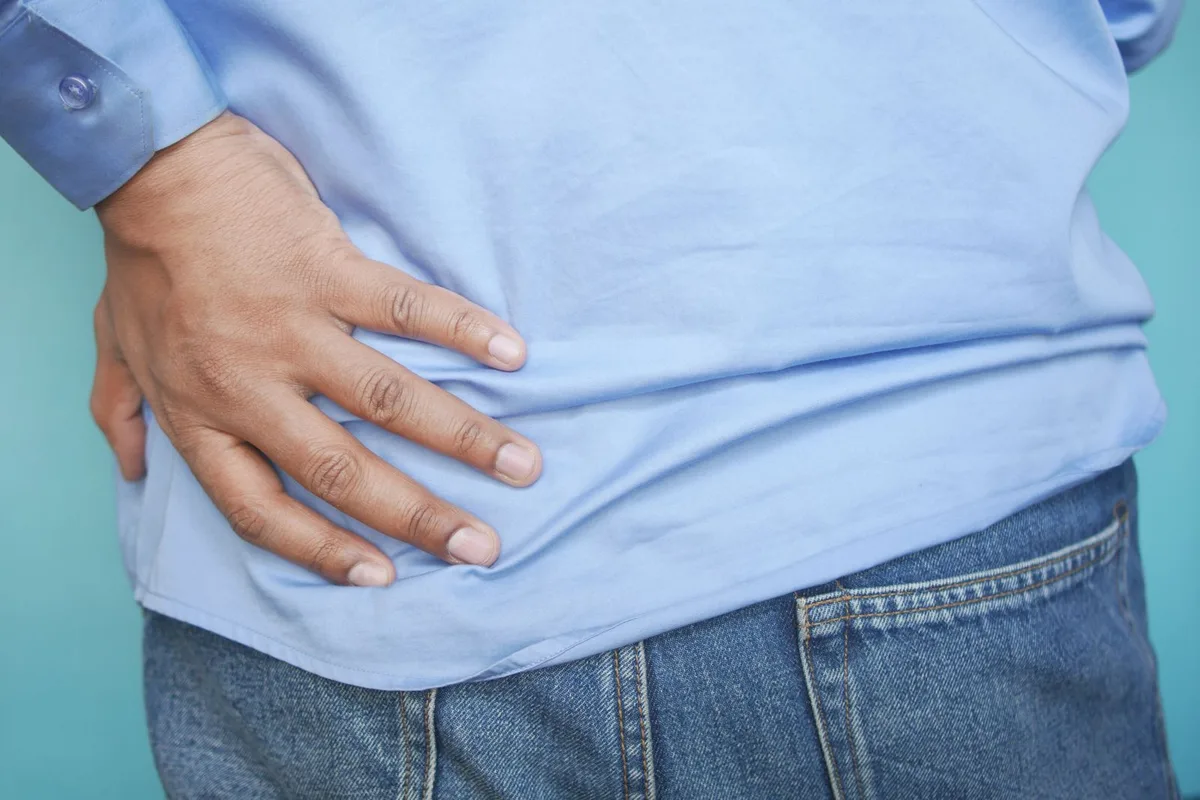
- Pain at the point of the hip, sometimes spreading to the outer thigh or buttock
- Tenderness when you press on the outside of the hip
- Pain when you lie on the affected side, which can disturb sleep
- Pain when you get up from a chair or bed after sitting for a while
- Pain or stiffness with long walks, stairs or squatting
Pain often starts as sharp and later becomes more of an ache. Many people first notice it at night, when rolling onto the sore side wakes them up.
What causes hip bursitis?
Hip bursitis often comes from repeated stress rather than one injury. Common causes and contributors include:
- Overuse. Running, stair climbing, cycling or standing for long periods can irritate the bursa.
- A sudden change in activity. Doing much more than usual, or starting a new activity quickly, can set it off.
- A tight IT band. The iliotibial (IT) band runs down the outside of the thigh. AAOS OrthoInfo notes that a tight IT band can press on the bursa.
- An injury. A fall onto the side of the hip can irritate the area.
- Other factors. Unequal leg length, spine or foot problems, muscle imbalance, arthritis and recovery after hip surgery are all listed by MedlinePlus as possible causes.
The American Physical Therapy Association’s ChoosePT guide notes that it is most commonly diagnosed in moderately active, middle-aged women. Still, it can affect active and less active people alike.
How is hip bursitis diagnosed?
A doctor usually diagnoses hip bursitis with a physical exam, checking where it hurts and which movements bring on the pain. X-rays may be used to rule out other problems, and ultrasound or MRI can show the bursa if needed. Other conditions, such as hip arthritis or a problem in the lower back, can cause similar pain. That is why it is worth getting a clear answer if your pain does not settle.
What can you do at home?
Simple steps often ease hip bursitis while the area calms down:
- Ease off what aggravates it. Cut back on the activities that bring on the pain for a while, rather than stopping all movement.
- Use ice early on. MedlinePlus suggests an ice pack 3 to 4 times a day for the first 2 or 3 days. Wrap it in a thin towel to protect your skin.
- Change your sleep position. If you sleep on your side, lie on the other side and place a pillow between your knees.
- Limit long periods of standing. When you do stand, a soft, cushioned surface can help.
- Choose comfortable shoes. Well-cushioned shoes with a low heel are easier on the hip.
If pain medicine or a steroid injection comes up, talk to your doctor about what is right for you.
Hip bursitis exercises: what physical therapy looks like
Exercise is a key part of recovery. AAOS OrthoInfo says treatment may include exercises to stretch the IT band and build hip strength and flexibility. A physical therapist chooses the specific exercises after examining you, because the right ones depend on what is driving your pain.
A typical plan moves in stages:
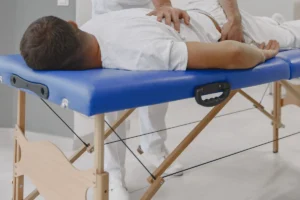
- Gentle start. ChoosePT describes beginning with strengthening exercises lying on a table, bed or floor. Your therapist will pick positions that keep pressure off the sore side.
- Hip and core strength. Work for the muscles around the hip and trunk helps support the joint during walking and stairs.
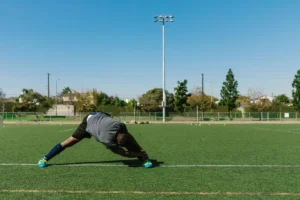
- Stretching. Self-stretches can ease tension around the hip and outer thigh and help restore normal motion.
- Standing and functional work. As symptoms settle, exercises progress to standing moves such as squats and to the everyday movements you need for work, home and sport.
Go slowly, and stop any exercise that makes your pain sharply worse. Mild, short-lived soreness can be normal, but your therapist should adjust the plan if pain builds from session to session.
What else a therapist may check
A physical therapist may watch you walk, step onto a stair, squat or balance on one leg. This shows how your hip moves and where you may need more strength or control. They may also use hands-on treatment and suggest changes to your daily routine, exercise volume or footwear.
How long does hip bursitis last?
Recovery time varies. Cleveland Clinic says hip bursitis usually gets better after a few weeks to a few months of rest and treatment. NHS guidance on bursitis notes that it should go away in a few weeks. ChoosePT cautions that returning to full activity too soon can make the problem harder to clear, so a gradual return tends to work best.
Can you prevent hip bursitis?
You cannot prevent every case, but these habits help:
- Build up new activities gradually instead of all at once
- Keep the hip and leg muscles strong and flexible
- Take breaks during repetitive tasks
- Avoid lying on one side for long stretches
- Wear supportive, cushioned shoes
If you run, our older post on ways to avoid running injuries has more general tips.
When to see a professional
See a healthcare provider if hip pain makes daily activities hard, or if it does not improve after a week or two of rest and home care. MedlinePlus also advises contacting your provider if symptoms come back or do not improve after 2 weeks of treatment.
See a doctor promptly if:
- You cannot move your hip or put weight on your leg
- Pain travels down your leg
- You have new trouble with bladder or bowel control
- You have a high temperature or feel hot, cold or shivery along with the joint pain
- The pain is very severe, sharp or shooting
A doctor can diagnose the cause. A physical therapist can then evaluate how you move and build a plan to ease pain and restore strength.
How OneRehab can help
OneRehab’s physical therapists evaluate and treat hip pain, including hip bursitis, with exercise programs designed to build strength and improve hip mobility. Our hip injury therapy includes a look at how you walk, which helps shape your plan. You can visit either of our clinics in Dallas or Richardson. In Texas, you can see a physical therapist without a referral. To get started, book a free screen or schedule an appointment.
Common questions
Is walking good for hip bursitis?
Gentle walking is often fine if it does not increase your pain, but long walks can aggravate it. Ease back gradually and ask your physical therapist how much is right for you.
Should I stretch or strengthen for hip bursitis?
Usually both. AAOS OrthoInfo lists exercises to stretch the IT band and to build hip strength and flexibility, and a therapist can tailor the mix.
Why does hip bursitis hurt more at night?
Lying on the affected side puts pressure on the irritated area. Sleeping on the other side with a pillow between your knees can help.
Is hip bursitis the same as hip arthritis?
No. Bursitis affects the cushioning sac on the outside of the hip, while arthritis affects the joint itself. A doctor can tell them apart with an exam and, if needed, imaging.
Do I need surgery for hip bursitis?
Rarely. AAOS OrthoInfo notes that surgery is rarely needed and is considered only when the bursa stays painful after nonsurgical treatment.
Sources
- Hip Bursitis, AAOS OrthoInfo, n.d.: https://www.orthoinfo.org/en/diseases–conditions/hip-bursitis/
- Trochanteric Bursitis, Cleveland Clinic, updated 2023-07-06: https://my.clevelandclinic.org/health/diseases/4964-trochanteric-bursitis
- Greater trochanteric pain syndrome, MedlinePlus (U.S. National Library of Medicine), reviewed 2024-11-07: https://medlineplus.gov/ency/patientinstructions/000777.htm
- Physical Therapy Guide to Greater Trochanteric Bursitis, ChoosePT (American Physical Therapy Association), revised 2019-06-24: https://www.choosept.com/guide/physical-therapy-guide-greater-trochanteric-bursitis
- Bursitis, NHS, reviewed 2023-10-30: https://www.nhs.uk/conditions/bursitis/