
TMJ Treatment in Dallas and Richardson
Reviewed by OneRehab · Last reviewed: 2026-11-02
Jaw pain, painful clicking, or trouble opening your mouth all the way can make eating, talking and even sleeping harder. These are common signs of a temporomandibular disorder, often just called TMJ. Conservative care, including physical therapy, is the recommended first step for most people, and our physical therapists treat TMJ disorders at our Dallas and Richardson clinics. You can start without a doctor’s referral.

Signs it could be TMJ
Your temporomandibular joints (TMJs) connect your lower jaw to your skull, one in front of each ear. TMD is the name for a group of more than 30 conditions that cause pain and problems in these joints and in the muscles that move your jaw. Common signs include:
- Pain or tenderness in your jaw, or in front of your ear
- Aching pain in and around the ear
- Pain or difficulty when you chew
- Painful clicking, popping or grating when you open or close your mouth
- A jaw that locks, or won’t open or close all the way
- Neck pain or headaches along with the jaw pain
Clicking or popping without pain is common and usually doesn’t need treatment. Often there’s no single cause. An injury to the jaw can play a part, and so can teeth clenching or grinding, gum chewing, nail biting, stress, and conditions such as arthritis. Many TMJ problems last only a short time and get better on their own.
How physical therapy helps TMJ
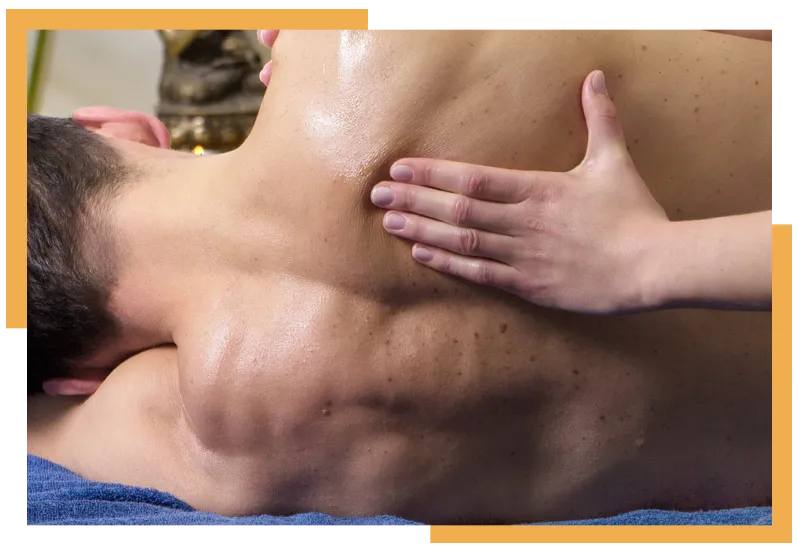
Experts advise starting with simple, conservative care and avoiding treatments that permanently change your teeth, bite or jaw. Research suggests that manual therapy, where a therapist uses their hands to stretch the soft tissues and muscles around the joint, can help improve function and relieve pain. According to the American Physical Therapy Association, physical therapy for TMJ usually combines:
- Education about what’s driving your pain and the habits that make it worse, such as clenching
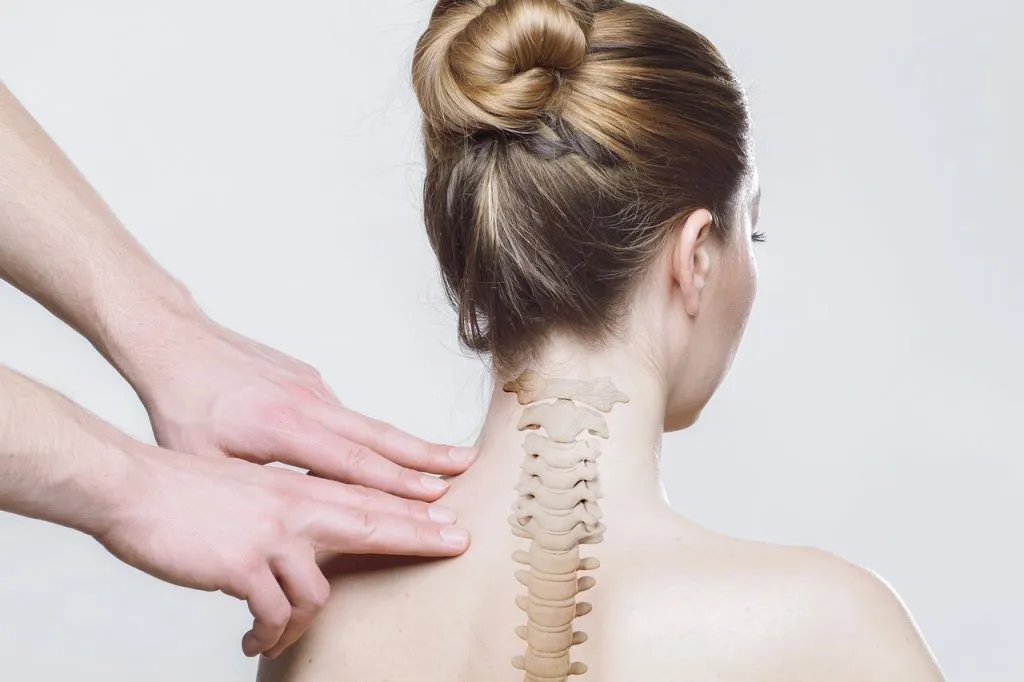
- Hands-on soft tissue work for tight jaw, face and neck muscles
- Joint mobilization to ease stiffness in the jaw and neck
- Exercises you repeat through the day to improve jaw movement and the posture of your head and neck
- Heat or ice and other treatments to settle sore muscles
- Stress management and posture habits for work, phone and computer use
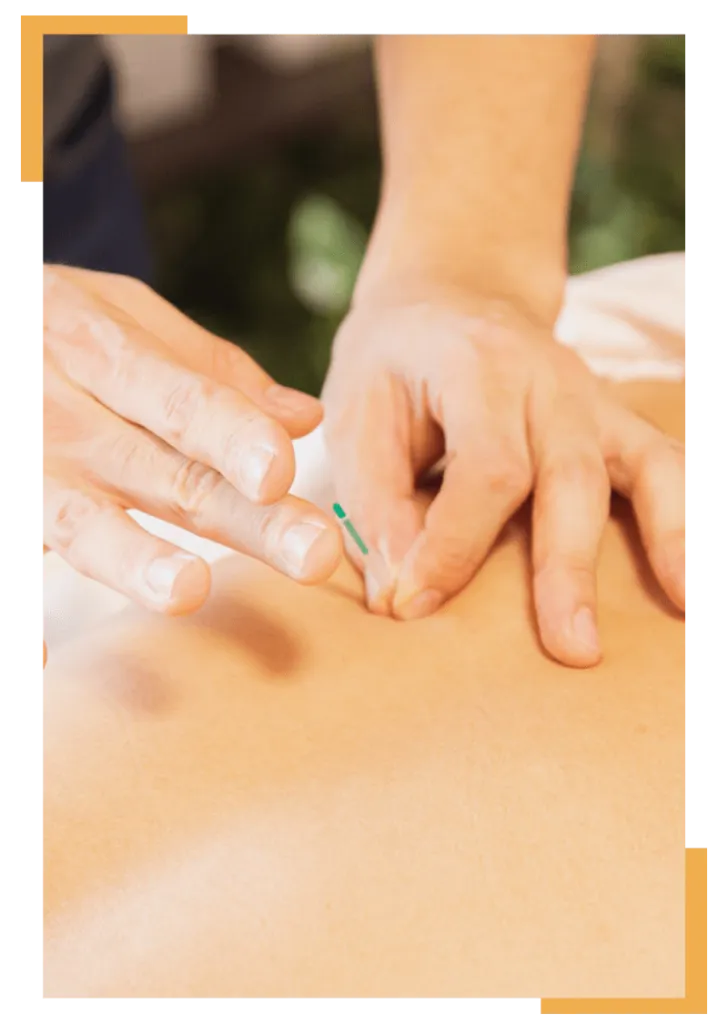
Your plan is built around your evaluation and draws on the methods our physical therapists use every day, including manual therapy, soft tissue mobilization, exercise, ice and heat, and patient education. We also offer dry needling, which we use for mouth and jaw problems among other conditions. Your therapist will tell you whether it suits you. If your teeth or bite may be part of the problem, a physical therapist will refer you to a dentist to check them.
What happens at your first visit
Your first visit is an evaluation with a physical therapist. We’ll go over your medical history, ask about your symptoms and what makes them better or worse, and check your strength, range of motion and posture. For jaw pain, that includes how your jaw opens and moves, and how your neck moves. Then we’ll explain what we found and build a treatment plan around your needs and goals.
It helps to write down your symptoms before you come, including what makes them worse or better. Wear loose, comfortable clothes.
Patient Wellbeing is Our Primary Concern
Do you need a referral?
No. Texas law lets you see a physical therapist for up to 30 days without a doctor’s referral, although some insurance plans still ask for one before they’ll pay. Not sure physical therapy is right for you? Book a free screen with one of our licensed physical therapists or certified athletic trainers, who’ll assess your pain, answer your questions and recommend next steps.
We accept most insurance plans, including Medicare and Medicaid, and offer affordable options if you have a high-deductible plan or no insurance. See our insurance page or call either clinic. Both clinics offer physical therapy, and either one can refer you to the other if it’s more convenient for you.
When to get medical help first
Jaw pain can also be a sign of a heart attack. Seek medical care immediately if jaw pain comes with chest pain, shortness of breath, dizziness, nausea, or pain or numbness in your left arm.
See your doctor or dentist if you have constant pain or tenderness in your jaw, or if you can’t open or close your jaw completely. Pain in the mouth, jaw or face isn’t always TMJ, so they may need to rule out other conditions first.
Common questions
Should I see a dentist or a physical therapist for TMJ?
Will I need surgery?
Is jaw clicking a problem?
What can I do at home?
Where to find us
| Clinic | Address | Phone | Hours |
|---|---|---|---|
| Dallas | 6080 N Central Expy #125, Dallas, TX 75206 | (469) 646-6796 | Mon–Fri 7 AM–7 PM, Sat 8 AM–2 PM |
| Richardson | 1761 International Pkwy Ste 135, Richardson, TX 75081 | (972) 845-7875 | Mon–Fri 7 AM–7 PM, Sat 8 AM–2 PM |
OneRehab Dallas
6080 N Central Expy #125, Dallas, TX 75206
(469) 646-6796
Email Us
info@onerehab.com
OneRehab Richardson
1761 International Pkwy Ste 135, Richardson, TX 75081
(972) 845-7875
Working Hours
Mon–Fri 7 AM–7 PM
Sat 8 AM–2 PM
Send Us A Message
Sources
- TMD (Temporomandibular Disorders), National Institute of Dental and Craniofacial Research (NIH)
- TMJ disorders: Symptoms and causes, Mayo Clinic
- Temporomandibular Disorders, MedlinePlus (National Library of Medicine)
- Physical Therapy Guide to Temporomandibular Disorder, American Physical Therapy Association (ChoosePT)