
Herniated Disc Physical Therapy in Dallas and Richardson
Reviewed by OneRehab · Last reviewed: 2026-11-02
A herniated disc can cause sharp back or neck pain, along with pain, numbness or weakness that runs into an arm or leg. Most people don’t need surgery, and physical therapy is a standard part of treatment. Our physical therapists treat disc herniation, and the nerve pain it can cause (radiculopathy), at our Dallas and Richardson clinics. You can start without a doctor’s referral.

Signs of a herniated disc
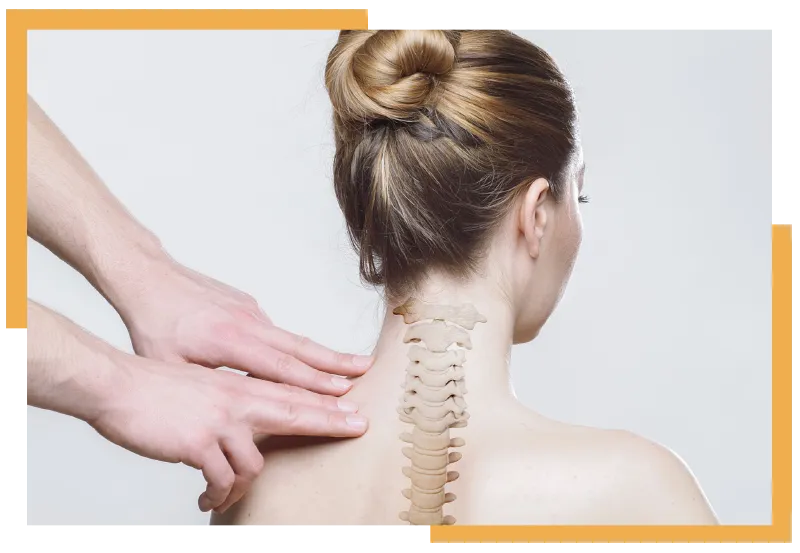
Your spine is a stack of bones (vertebrae) with rubbery discs between them. Each disc has a soft, jelly-like center and a tougher outer layer. A disc herniates when part of the soft center pushes out through a tear in the outer layer. If it presses on a nearby nerve, it can cause symptoms. It happens most often in the lower back, and next most often in the neck. Common signs include:
- Pain in the lower back, buttock, thigh or calf, sometimes down into the foot
- With a disc in the neck, pain in the shoulder and arm that can reach the fingers
- Numbness or tingling along the same path
- Weakness, such as dropping things or feeling unsteady when you walk
- Pain that gets worse when you cough, sneeze or sit
Some people have a herniated disc on a scan and no symptoms at all, and back pain can come from structures other than the disc. That’s why a proper evaluation matters. Discs get less flexible with age and tear more easily. Lifting with your back instead of your legs, twisting while lifting, physically demanding work, extra body weight, smoking and long hours of driving all raise the risk.
How our physical therapists treat it
Physical therapy is important for nearly everyone with disc problems. Your plan is built around what we find in your evaluation, and draws on the techniques we use for neck and spine conditions:
- Manual therapy and joint mobilization to ease stiff joints
- Soft tissue mobilization and manual muscle stretching for tight, guarded muscles
- Manual traction
- Exercise therapy: stretching, stabilization and core strengthening to support your spine
- Heat and cold therapy and other pain-relief techniques
- Self-management: how to sit, bend, lift and move day to day without flaring your symptoms
We also offer dry needling, which we use for disc and spinal problems among other conditions. Your therapist will tell you whether it suits you. You’ll leave with exercises to do at home between visits. According to the American Physical Therapy Association, people who follow a personalized plan of posture work, pain relief, stretching and strengthening typically see improvement in a few weeks.
What happens at your first visit
Your first visit is an evaluation with a physical therapist. We’ll look at your medical history in detail, go through your symptoms, review your strength and range of motion, and look at your posture and how you walk. We’ll also check for signs that a nerve is involved, such as numbness or weakness. If testing points to a more serious problem, physical therapists work with your doctor, who may order imaging such as an MRI.
It helps to write down your symptoms before you come, including what makes them worse or better. Wear loose, comfortable clothes.
Patient Wellbeing is Our Primary Concern

Do you need a referral?
No. Texas law lets you see a physical therapist for up to 30 days without a doctor’s referral, although some insurance plans still ask for one before they’ll pay. Not sure physical therapy is right for you? Book a free screen with one of our licensed physical therapists or certified athletic trainers, who’ll assess your pain, answer your questions and recommend next steps.
We accept most insurance plans, including Medicare and Medicaid, and offer affordable options if you have a high-deductible plan or no insurance. See our insurance page or call either clinic. Both clinics offer neck and spine therapy, and either one can refer you to the other if it’s more convenient for you.
When to get medical help first
Go to an emergency room right away if back pain comes with difficulty peeing or pooping, numbness in your upper legs or buttocks, or difficulty walking. These can be signs of cauda equina syndrome, an emergency in which the nerve roots at the bottom of the spinal cord are compressed.
Contact your doctor if you have severe back pain that doesn’t go away, if neck or back pain spreads into an arm or leg, or if you have any numbness, weakness, loss of movement, or bowel or bladder changes.

Common questions
Will I need surgery?
Should I rest in bed?
How long does recovery take?
Can a herniated disc happen in the neck?
Where to find us
| Clinic | Address | Phone | Hours |
|---|---|---|---|
| Dallas | 6080 N Central Expy #125, Dallas, TX 75206 | (469) 646-6796 | Mon–Fri 7 AM–7 PM, Sat 8 AM–2 PM |
| Richardson | 1761 International Pkwy Ste 135, Richardson, TX 75081 | (972) 845-7875 | Mon–Fri 7 AM–7 PM, Sat 8 AM–2 PM |
OneRehab Dallas
6080 N Central Expy #125, Dallas, TX 75206
(469) 646-6796
Email Us
info@onerehab.com
OneRehab Richardson
1761 International Pkwy Ste 135, Richardson, TX 75081
(972) 845-7875
Working Hours
Mon–Fri 7 AM–7 PM
Sat 8 AM–2 PM