
Aphasia Treatment in Dallas-Fort Worth
Reviewed by OneRehab · Last reviewed: October 28, 2026
Aphasia makes it hard to find words, follow a conversation, read or write, usually after a stroke or brain injury. At OneRehab, certified speech-language pathologists treat aphasia one-on-one, with physical and occupational therapists under the same roof. Improvement can continue for months and years with therapy, so it is rarely too late to start.
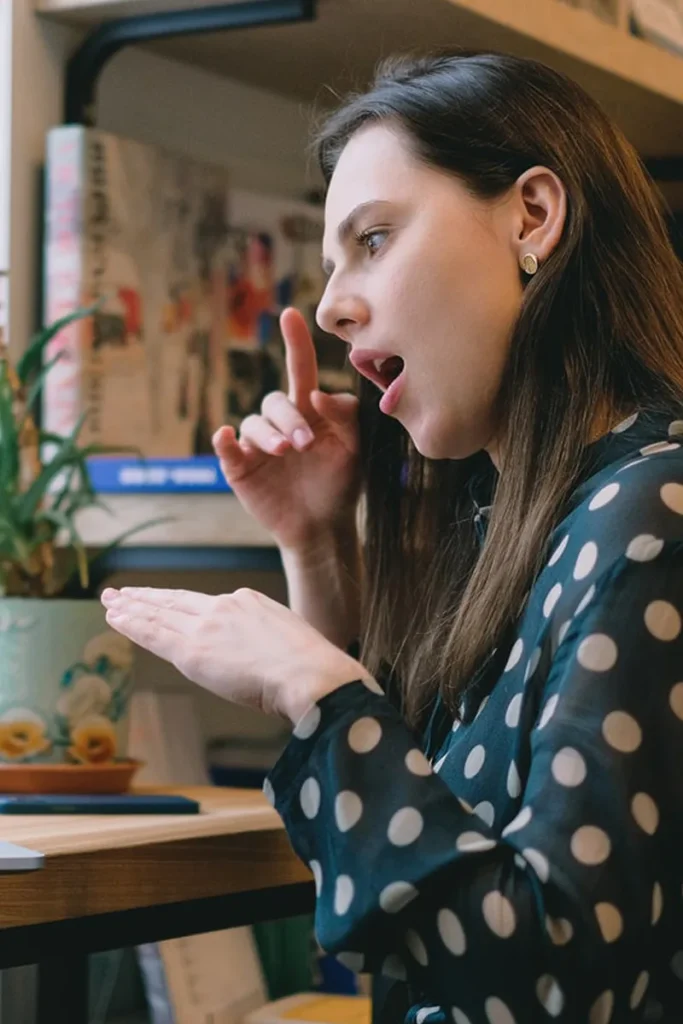
What aphasia can look like
Aphasia affects people in different ways, depending on which part of the brain was injured:
- Expressive (Broca’s) aphasia: you know what you want to say, but speech comes out short, slow and effortful.
- Receptive (Wernicke’s) aphasia: speech flows easily but may not make sense, and understanding others is hard.
- Anomic aphasia: everyday conversation works, but specific words and names won’t come.
- Global aphasia: both speaking and understanding are severely affected, often soon after a large stroke.
Aphasia affects language, not intelligence. The person still thinks clearly. The connection between thoughts and words is what was injured.
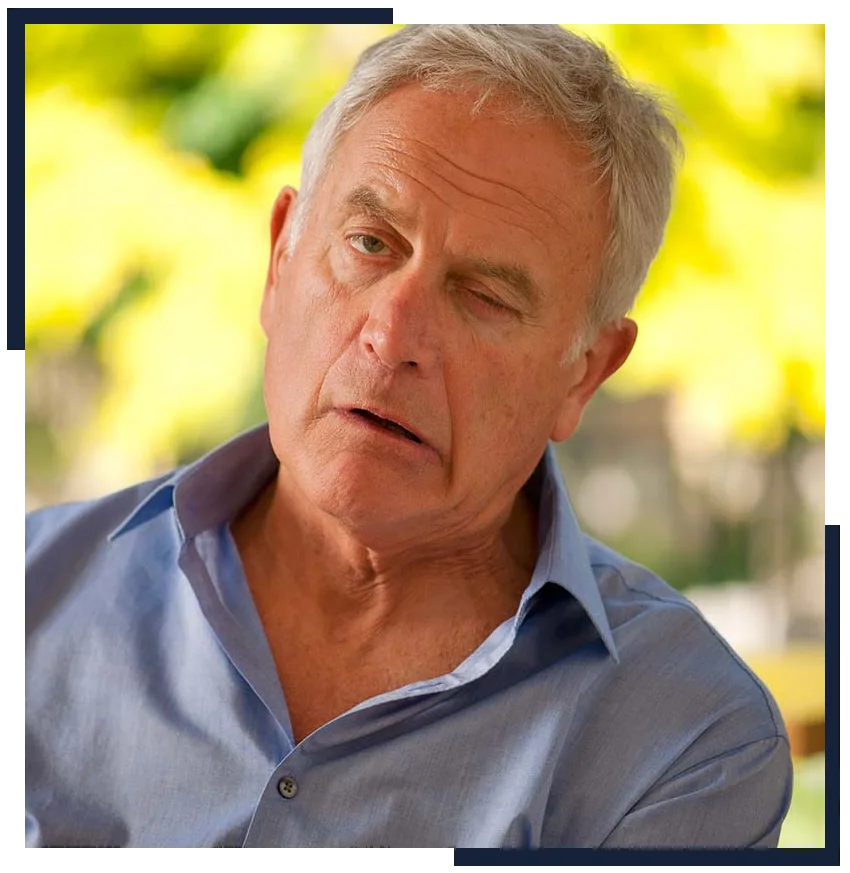
How we treat aphasia
Therapy starts with a full speech and language evaluation. We test speaking, understanding, reading and writing, and ask what matters most to you: ordering at a restaurant, talking on the phone, getting back to work. Then we build your plan around those goals. It may include:
- Word-finding practice using naming, description and cueing strategies
- Comprehension work, from single words up to conversations and phone calls
- Reading and writing for daily life: texts, emails, menus, mail
- Other ways to communicate when words are slow, such as gestures, drawing, writing or a communication app
- Training for family members in how to talk with you: shorter sentences, extra time, fewer corrections
- Home practice between sessions, so progress keeps building
Why a team approach helps after a stroke
Aphasia rarely comes alone. Many stroke survivors also work on walking, balance, arm use or swallowing. At OneRehab, speech-language pathologists, physical therapists and occupational therapists treat you in the same clinic and talk to each other about your progress. Our team includes a neurologic board-certified physical therapist and a certified stroke rehabilitation specialist in occupational therapy. Learn more about our neuro rehabilitation program and stroke rehabilitation.
Patient Wellbeing is Our Primary Concern

When to start
Many people improve the most in the first few months after a stroke, and therapy is usually recommended as early as possible. But improvement can continue for years. If you finished hospital or inpatient rehab and still struggle to communicate, outpatient speech therapy is the next step. If therapy ended a while ago and you want to keep improving, we can help with that too.
If swallowing is also a problem, tell us at your first visit. Our speech-language pathologists treat swallowing disorders as well.
Insurance and getting started
We accept most insurance plans, including Medicare and Medicaid. See our insurance page or call to check your plan. Some plans ask for a doctor’s order for speech therapy; we’ll tell you if yours does.

Common questions
Will my speech come back?
How often is therapy?
Can family come to sessions?
Where to find us
| Clinic | Address | Phone | Hours |
|---|---|---|---|
| Dallas | 6080 N Central Expy #125, Dallas, TX 75206 | (469) 646-6796 | Mon–Fri 7 AM–7 PM, Sat 8 AM–2 PM |
| Richardson | 1761 International Pkwy Ste 135, Richardson, TX 75081 | (972) 845-7875 | Mon–Fri 7 AM–7 PM, Sat 8 AM–2 PM |
OneRehab Dallas
6080 N Central Expy #125, Dallas, TX 75206
(469) 646-6796
Email Us
info@onerehab.com
OneRehab Richardson
1761 International Pkwy Ste 135, Richardson, TX 75081
(972) 845-7875
Working Hours
Mon–Fri 7 AM–7 PM
Sat 8 AM–2 PM