
Plantar Fasciitis Treatment in Dallas and Richardson
Reviewed by OneRehab · Last reviewed: October 28, 2026
If your heel hurts most with your first steps out of bed, or when you stand up after sitting, plantar fasciitis is the most likely cause. It’s one of the most common reasons people come to OneRehab, and most cases get better with physical therapy, without injections or surgery. You can start at our Dallas or Richardson clinic without a doctor’s referral.

Signs it's plantar fasciitis
- A sharp or stabbing pain at the bottom of your heel, often toward the inside
- Pain that’s worst with the first steps in the morning, then eases as you move
- Pain that comes back after long periods of standing, or after you get up from sitting
- Pain that flares after a run or a workout, rather than during it
It usually builds over weeks. Common triggers include tight calves, a sudden jump in walking or running, long days on hard floors, and shoes with little support.

How our physical therapists treat it
We follow the American Physical Therapy Association’s clinical practice guideline for heel pain, updated in 2023. Your plan is built around what we find in your evaluation, and usually combines:
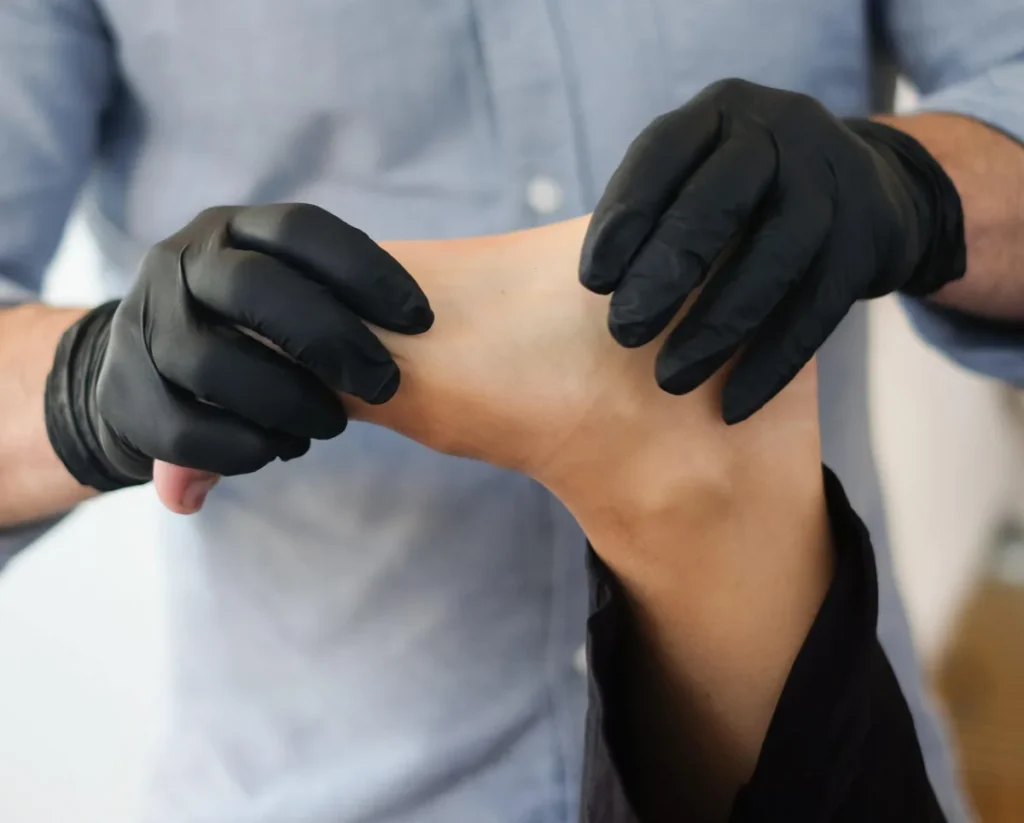
- Hands-on manual therapy for the foot, ankle and calf, one of the guideline’s strongest recommendations
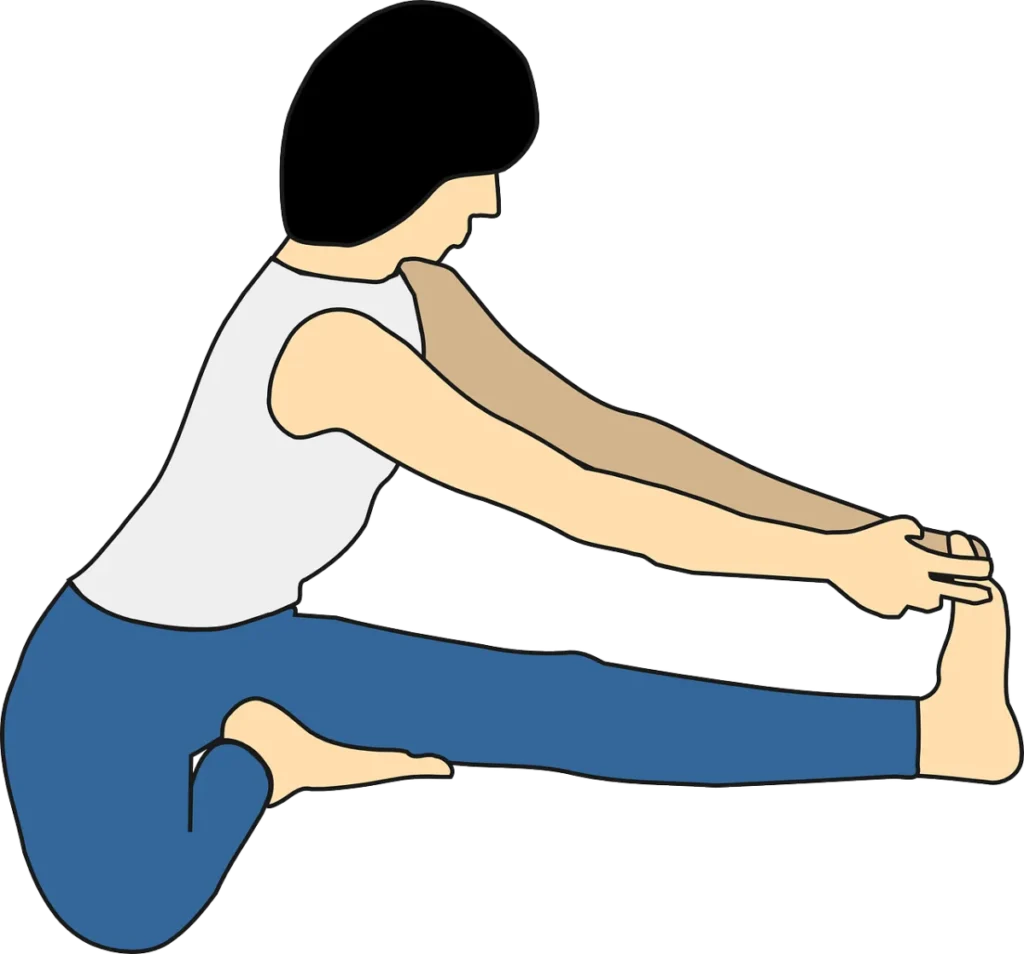
- Calf and plantar fascia stretching you can do at home in a few minutes a day
- Taping to offload the heel while it settles
- Night splints when morning pain is the main problem
- Strengthening for the foot and ankle muscles, so the pain doesn’t come back
- Dry needling for tight calf and foot muscles, from therapists certified in it
- Running motion analysis if running brought it on, so we can fix the cause, not only the symptom
- Shoe and insert advice. The guideline doesn’t recommend orthotics on their own, but they can help as part of a full plan.
You’ll also leave each visit knowing what to do at home and what to avoid, so progress continues between sessions.
What happens at your first visit
Your first visit is a one-on-one evaluation with a physical therapist. We’ll ask how the pain started, check how your foot and ankle move, test calf flexibility and strength, and watch you walk. Then we’ll explain what’s driving your pain and how long recovery should take for you, and start treatment the same day.
Patient Wellbeing is Our Primary Concern
Do you need a referral?
No. Texas law lets you see a qualified physical therapist for up to 30 days without a doctor’s referral. Not sure physical therapy is right for you? Book a free injury screening: a short visit with a therapist or athletic trainer who’ll tell you honestly what they think.
We accept most insurance plans, including Medicare and Medicaid. See our insurance page or call either clinic to check your plan.
When to see a doctor first
Call your doctor before starting therapy if your heel pain came from a fall or injury, if your foot is swollen, bruised or numb, if you can’t put weight on it, or if the pain is worse at night or at rest. These can point to something other than plantar fasciitis.
Common questions
Should I see a physical therapist or a podiatrist?
Can I keep running or working out?
How long does it take to get better?
Where to find us
| Clinic | Address | Phone | Hours |
|---|---|---|---|
| Dallas | 6080 N Central Expy #125, Dallas, TX 75206 | (469) 646-6796 | Mon–Fri 7 AM–7 PM, Sat 8 AM–2 PM |
| Richardson | 1761 International Pkwy Ste 135, Richardson, TX 75081 | (972) 845-7875 | Mon–Fri 7 AM–7 PM, Sat 8 AM–2 PM |
OneRehab Dallas
6080 N Central Expy #125, Dallas, TX 75206
(469) 646-6796
Email Us
info@onerehab.com
OneRehab Richardson
1761 International Pkwy Ste 135, Richardson, TX 75081
(972) 845-7875
Working Hours
Mon–Fri 7 AM–7 PM
Sat 8 AM–2 PM