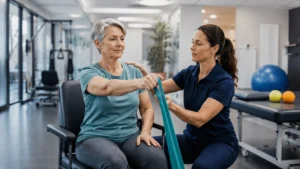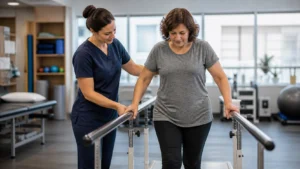

A concussion can turn an ordinary week into something frustrating very fast. One day you are driving through North Dallas, walking into work in Richardson, or picking up your child after school, and the next day simple tasks feel off. Bright lights bother you. Your head feels heavy. You stand up and the room seems to shift for a second. Even reading a text message can feel like more work than it should. That is where Physical Therapy For Concussion can make a real difference. At OneRehab, the goal is not to rush your recovery process. It is to help you feel steady, clear, and more like yourself again, one step at a time. For many people, a concussion is a mild traumatic event on paper, but the day-to-day impact feels anything but minor. In medical terms, concussion is a mild traumatic brain injury, and it falls within the broader category of brain injuries and traumatic brain injuries that can affect how you move, think, and function.
Why Concussion Recovery Often Needs More Than Rest
A lot of people still hear the same advice after a concussion: rest, take it easy, and wait it out. Rest after a concussion matters, especially early on. But for many concussion patients, symptoms do not fully settle just because time passes. You may still deal with dizziness, headaches and dizziness, neck tension, light sensitivity, nausea, trouble focusing, or a strange sense that your body is not keeping up with your brain. These concussion symptoms can linger longer than expected, and a concussion may affect work, school, sports, and even routine errands.
That can be confusing. From the outside, you may look fine. But inside, daily life can feel harder than it used to. Some patients with concussion deal with persistent symptoms that make simple movement feel uncomfortable. Others notice symptoms after a concussion only when they return to normal physical activity.
A concussion can affect more than one system at once. Your balance may be off. Your neck may feel stiff and irritated. Eye tracking can become tiring. Walking through a grocery store, driving in traffic, or sitting in a noisy classroom may suddenly feel like too much. These are not random complaints. They are common pieces of concussion recovery, and they deserve careful attention. The nervous system, vestibular system, and even the cervical spine can all play a role in how you feel following a concussion.
That is why treatment works best when it is specific. Instead of giving you a general handout and hoping things settle down, a physical therapist looks at what is actually happening in your body. Maybe your symptoms spike when you turn your head. Maybe the issue is posture and neck strain. Maybe your tolerance for movement has dropped. Maybe your child gets overwhelmed in busy environments. Good concussion care starts there. In some cases, early physical therapy can reduce the chance of a longer recovery and help patients manage their symptoms more effectively.
Physical Therapy For Concussion That Looks At The Whole Picture
At OneRehab, It is built around how your symptoms show up in real life. Not in theory, not on a generic checklist, but in the moments that matter to you. That may mean getting through a school day, returning to sports safely, working at a computer without feeling drained, or walking around White Rock Lake without your balance feeling unreliable. This kind of physical therapy help matters because concussion in athletes, working adults, and children can all look a little different.
Treatment often starts with a thorough physical therapy evaluation and treatment plan. A licensed physical therapist or another physical therapist on the team may look at:
- Balance and coordination
- Walking pattern and gait
- Neck mobility and muscle tension
- Eye movement and visual tracking
- Symptom triggers during movement
- Activity tolerance
- Position changes, such as sitting to standing
- Head movement during daily tasks
- Range of motion in the neck and upper body
- Vestibular and ocular motor function
This evaluation and treatment stage matters because concussion symptoms are personal. Two people can both have a concussion and still need very different care plans. A physical therapist’s job is to see what is driving the symptoms, not just note that symptoms exist. In some cases, physical therapists can use tools such as the balance error scoring system or the Buffalo Concussion Treadmill Test to guide safe activity after a concussion and track progress over time.
For some patients, the neck plays a bigger role than they expected. For others, dizziness is the main issue. Some children seem okay at first, then struggle when they go back to school, sports, or long car rides. Some adults feel worst in busy office settings or while driving between Dallas and Richardson during peak traffic. The right plan should reflect those details. This is one reason a referral to a physical therapist can be so helpful when symptoms keep showing up.
That is also why physical therapy for concussion therapy should not feel one-size-fits-all. A strong plan responds to your symptoms, tracks progress clearly, and adjusts as you improve. Good concussion management is about matching the plan to the person.
What Symptoms Often Bring Patients To OneRehab
People come in for care for all kinds of reasons. Some were hurt in a car accident on Central Expressway. Some took a fall at home. Some were injured during sports or recreational activity. Some had what seemed like a mild head injury and expected to bounce back quickly, but weeks later they still do not feel right. These head injuries may not always look serious at first, but symptoms of a concussion can build over time. That is true in sports-related concussion cases, sport-related concussion cases, and non-sports injuries alike.
Here are some of the concerns that often bring people through the door:
- Dizziness when walking or turning
- Headache that gets worse with activity
- Trouble focusing at work or school
- Feeling off-balance in crowds or busy spaces
- Neck pain after a head injury
- Fatigue during normal daily tasks
- Motion sensitivity in cars or elevators
- Light and noise sensitivity
- Difficulty returning to exercise after a concussion
- Feeling uneasy about return to play or full activity
Sometimes families wait longer than they should because they assume symptoms will disappear on their own. Sometimes they are told everything looks normal, yet they still feel clearly different. That gap matters. When symptoms linger, support should be practical, clear, and based on what you are actually experiencing. Patients dealing with concussions often need help with concussion symptoms, not just reassurance that time will fix everything.
What Treatment May Include During Concussion Rehabilitation
Concussion care is not about pushing through symptoms. It is about rebuilding tolerance in a safe and measured way. Depending on your needs, Physical Therapy For Concussion may include several parts working together. A physical therapist may focus on movement, symptom response, and safe progression while also coordinating with providers involved in occupational therapy, vision therapy, or other parts of your rehabilitation.
Balance And Stability Training
If you feel wobbly while walking, turning, or using stairs, balance work may be part of your plan. This can start simply and build over time. The goal is to help your body regain trust in movement. Physical therapists help patients improve coordination and reduce the fear that often follows a concussion.
Neck And Postural Treatment
Neck stiffness after a concussion is common. So is muscle tension from guarding, poor sleep, or time spent resting in uncomfortable positions. Addressing the neck can reduce strain and improve how you move. When the cervical spine is part of the problem, manual therapy and guided exercise may help.
Vestibular Support
If your symptoms involve dizziness or motion sensitivity, vestibular-focused treatment may help. This area of care looks at how the inner ear and brain work together to handle balance and head movement. Vestibular rehabilitation and vestibular therapy are often used when the vestibular system is not processing movement well after a concussion.
Gradual Return To Activity
Many patients worry about doing too much. Others worry they are doing too little. A good physical therapist helps you find the middle ground. The plan may include a gradual return to walking, exercise, school, sports, or work tasks without setting off a spiral of symptoms. That is especially important following sport-related concussion, when a concussion protocol and careful return to play plan may be needed.
Movement And Symptom Tracking
Recovery is easier to understand when progress is tracked in practical terms. Can you tolerate more screen time? Walk longer without symptoms? Shop, drive, or attend class more comfortably? Those changes matter. PT is often most helpful when patients can see how small gains add up over time.
In many cases, concussion rehabilitation works best when the patient understands why each step is being used. That helps reduce fear, build confidence, and keep progress moving. A physical therapist also helps patients understand safe exercise after a concussion, expected recovery time, and what signs may point to post-concussion syndrome or post concussion issues that need more attention. Some people may even benefit from care shaped by findings from a systematic review or guidance aligned with the American Physical Therapy Association, especially when neurologic physical therapy or neurologic physical care is appropriate.
What Makes Early Treatment Helpful
The sooner lingering symptoms are evaluated, the easier it can be to build a clear plan. That does not mean every concussion needs formal treatment right away. It means that when symptoms continue, worsen with activity, or interfere with school, work, sports, or family life, it is worth taking seriously. For some patients, early support can shorten the recovery process and reduce the risk of post-concussion problems becoming harder to manage.
Early support can help with:
- Identifying what triggers symptoms
- Reducing fear around movement
- Preventing over-rest or under-rest
- Building a safe return-to-activity plan
- Addressing neck and balance issues before they become bigger problems
- Giving families a clearer understanding of what personalized recovery can look like
For many patients, Physical Therapy For Concussion becomes the turning point because it replaces guessing with structure. Instead of wondering whether symptoms are normal, you get a plan. Instead of avoiding movement out of fear, you learn what is safe and what to build back gradually. Physical therapists work with patients in a way that is active, practical, and based on how the body responds. That can be a real source of help with concussion, especially for patients who were diagnosed with a concussion but never given a clear next step.
What To Expect At OneRehab
At OneRehab, care should feel supportive, not intimidating. You should be able to ask questions, explain what you are feeling, and understand why a certain exercise or strategy is part of your plan. Good physical therapy is not just clinical. It should also feel usable in real life. That matters for concussion patients, post-concussion patients, and families trying to make sense of symptoms after a concussion.
Expect a process that starts with listening. Your symptoms, your schedule, and your goals all matter. Maybe you want your child ready to return to class without headaches by lunch. Maybe you want to drive to work without feeling dizzy at every stoplight. Maybe you want to get back to exercise without worrying that you will set yourself back. A physical therapist can help guide that progress in a measured and realistic way.
In the right setting, physical therapy concussion care can treat concussion symptoms in a way that feels grounded, not rushed.
Start With A Clear Next Step
If you or a family member are still dealing with dizziness, headaches, neck pain, motion sensitivity, or balance problems after a concussion, it may be time to stop waiting and get a closer look. OneRehab serves Dallas-area patients and families who want practical help, clear guidance, and care that fits real life. The clinic can help with concussion care for patients with concussion after accidents, falls, sports injuries, and other head injuries.
Whether you live near Richardson, commute through North Dallas, or spend most of your time around local schools, neighborhoods, and busy DFW roads, support should feel accessible. Call OneRehab to ask about availability, parking, local access, and appointment hours. You can also reach out to talk through symptoms before scheduling. Sometimes people just want to know whether what they are feeling is worth evaluating. It often is. Full recovery is the goal, and the right support can make that path feel much clearer.The first step does not have to be dramatic. It just needs to be clear. If recovery has felt slow, uneven, or confusing, Physical Therapy For Concussion may be the support that helps things finally start moving in the right direction.